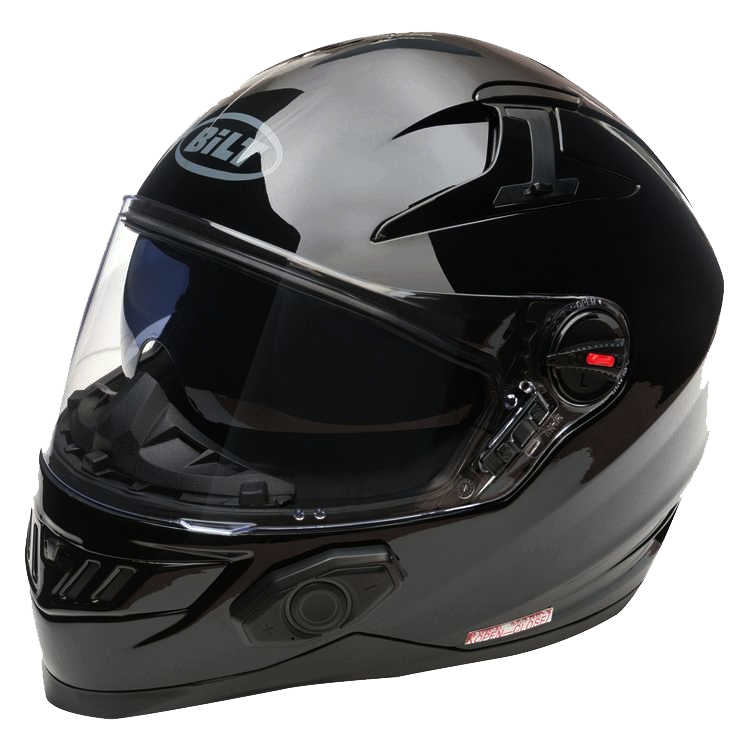
What Is a MIPS Helmet and How to Choose One

A MIPS helmet is designed with a low-friction layer inside that helps reduce rotational forces during angled impacts. This advanced technology offers better brain protection compared to traditional helmets.

MIPS helmets are especially beneficial for activities like cycling, skateboarding, and winter sports where twisting motions often occur.

You’ll find them ideal for sports like cycling, skateboarding, and winter activities where twisting motions are common. When choosing one, look for proper fit, comfort features, and compliance with safety standards.

Taking good care of your helmet and replacing it after impacts keeps you safer.

There’s plenty more to know to help you pick the right helmet for your needs.

Key Takeaways

  • A MIPS helmet features a low-friction layer that reduces rotational forces during angled impacts, enhancing brain protection.
  • It offers better impact safety by allowing slight head movement to absorb and redirect rotational energy.
  • Choose a MIPS helmet certified by safety standards like CPSC, ASTM, or EN for verified protection.
  • Select a helmet suited to your sport’s specific risks, ensuring proper fit, ventilation, and comfort.
  • Regularly inspect, maintain, and replace the helmet after impacts or every 3-5 years for optimal safety.

What Is a MIPS Helmet and How It Protects Your Brain

Although all helmets offer basic protection, a MIPS helmet takes safety a step further by reducing rotational forces during impacts. When you wear a MIPS helmet, it’s designed with a low-friction layer inside that allows your head to move slightly within the helmet during angled hits. This movement helps absorb and redirect rotational energy, which can otherwise cause brain injuries.

Unlike traditional helmets that mainly protect against direct hits, MIPS helmets address the complex motions your brain experiences during crashes. By minimizing rotational forces, MIPS technology aims to lower the risk of concussions and other brain trauma.

Why MIPS Helmets Offer Better Impact Protection

How exactly do MIPS helmets provide better impact protection than traditional helmets? They’re designed to reduce rotational forces on your brain during angled impacts. Regular helmets mainly protect against direct hits, but when your head strikes at an angle, your brain can twist inside your skull, causing serious injury.

MIPS adds a low-friction layer inside the helmet that allows the outer shell to slide slightly relative to your head. This mimics your brain’s natural protection by absorbing and redirecting rotational energy. So, when you wear a MIPS helmet, you’re not just protecting yourself from a direct blow, but also from the twisting motion that can cause concussions or worse.

This extra layer of defense gives you better overall impact protection.

Which Sports Benefit Most From MIPS Helmets

Which sports benefit most from MIPS helmets depends largely on the risk of angled impacts and high-speed falls involved. If you’re into cycling or mountain biking, MIPS helmets can markedly reduce rotational forces during crashes, offering extra protection. Skateboarding and rollerblading also involve frequent falls that often hit the head at angles, so MIPS technology helps there, too.

For winter sports like skiing or snowboarding, where high-speed impacts and awkward falls are common, a MIPS helmet is a smart choice. Even in contact sports like football or lacrosse, where collisions can cause rotational brain injuries, MIPS helmets provide enhanced safety.

Basically, if your sport involves fast movement and potential for angled impacts, choosing a MIPS helmet is a wise decision to protect your brain.

How to Understand MIPS Helmet Safety Ratings

To understand MIPS helmet safety ratings, you’ll want to know how the technology reduces rotational forces during impacts. It’s also important to check the helmet’s compliance with impact protection standards and certification processes. These factors together help you choose a helmet that offers reliable safety.

MIPS Technology Overview

Although MIPS helmets might look like any other, their safety features set them apart by offering added protection against rotational forces during impacts. This technology uses a low-friction layer inside the helmet that allows your head to move slightly relative to the outer shell, reducing the rotational motion transferred to your brain.

Understanding how MIPS works helps you appreciate its value beyond traditional impact absorption.

Here’s what you should know about MIPS technology:

  • It’s designed to mimic the brain’s own protective system against rotational forces.
  • The slip-plane inside the helmet moves 10-15mm during an angled impact.
  • This movement decreases the risk of brain injuries caused by twisting forces.

Choosing a MIPS helmet means prioritizing enhanced protection in real-world crash scenarios.

Impact Protection Standards

MIPS technology adds a layer of protection by reducing rotational forces during impacts, but understanding how helmets are tested and rated for safety can help you make a more informed choice. Impact protection standards measure how well a helmet absorbs energy and protects your head from different types of collisions. While MIPS itself isn’t a certification, helmets featuring it still need to meet established safety standards like CPSC, ASTM, or EN.

These standards set minimum impact thresholds and test helmets under controlled conditions to simulate real-world crashes. When you shop, look for helmets that not only include MIPS but also pass rigorous safety standards. This combination ensures you’re getting a product designed to minimize injury risks in various impact scenarios, keeping you safer on every ride.

Certification and Testing Methods

When you’re choosing a helmet with MIPS technology, understanding how it’s certified and tested can make all the difference in your safety. Certifications guarantee the helmet meets strict safety criteria, while testing methods simulate real-world impacts to evaluate protection levels.

You’ll want to look for helmets that have passed recognized standards, giving you confidence in their performance.

Here are key points to weigh:

  • DOT, ECE, and Snell certifications: These are common safety standards indicating rigorous testing.
  • Oblique impact testing: Measures how well the helmet reduces rotational forces, a key benefit of MIPS.
  • Independent lab verification: Confirms the helmet’s MIPS system functions effectively under varied conditions.

Choosing the Best MIPS Helmet for Your Sport

Since each sport has unique risks and impact patterns, you’ll need to pick a MIPS helmet designed to match those specific challenges. For example, if you’re into mountain biking, look for helmets with extended rear coverage and ventilation suited for rough trails.

Skiers and snowboarders should opt for helmets that offer warmth and impact protection on hard snow and ice. In contact sports like hockey, helmets with enhanced shock absorption and facial protection are essential. Make sure the helmet meets the safety standards relevant to your sport—this guarantees it’s tested for the types of impacts you might experience.

Also, consider the helmet’s weight and profile; a lighter helmet can improve mobility, while a streamlined design reduces wind resistance. Choosing the right MIPS helmet tailored to your sport maximizes both safety and performance.

Key Fit and Comfort Features for MIPS Helmets

Although safety is paramount, a helmet that doesn’t fit well or feel comfortable won’t get used as often as it should. When choosing a MIPS helmet, focus on fit and comfort to make sure you wear it consistently. A secure fit prevents the helmet from shifting during impact, maximizing protection.

Look for adjustable features that allow you to customize the helmet to your head shape. Padding plays a vital role, too—well-placed, moisture-wicking pads enhance comfort and reduce irritation.

Key fit and comfort features to think about include:

  • Adjustable retention systems with easy-to-use dials or straps for a snug fit
  • Ventilation channels that keep your head cool without compromising safety
  • Removable, washable padding to maintain cleanliness and freshness over time

Choosing these features helps you stay protected and comfortable on every ride.

Maintaining and Replacing Your MIPS Helmet

To keep your MIPS helmet effective, you should regularly clean it and inspect it for any damage. Even small cracks or worn straps can compromise safety. Knowing when to replace your helmet is just as important as maintaining it.

Cleaning Your MIPS Helmet

How do you keep your MIPS helmet in top condition? Regular cleaning is essential to maintain its protective features and comfort. You’ll want to clean both the interior padding and the outer shell carefully without damaging the MIPS layer.

Here’s how to do it right:

  • Use mild soap and warm water with a soft cloth or sponge to wipe the shell gently.
  • Remove and hand wash the interior padding separately, letting it air dry completely.
  • Avoid harsh chemicals, abrasive tools, or soaking the helmet, as these can degrade materials and compromise safety.

Inspecting for Damage

Whenever you use your MIPS helmet, it’s crucial to inspect it regularly for any signs of damage that could compromise its effectiveness. Check the outer shell for cracks, dents, or deep scratches. Even small cracks can reduce protection, so don’t ignore them.

Examine the inner foam liner carefully; if it’s compressed, cracked, or separated, the helmet’s ability to absorb impact is weakened. Inspect the MIPS layer itself for any tears or detachment. Also, test the straps and buckles to ensure they’re secure and not frayed.

If you spot any damage, avoid using the helmet until it’s assessed or repaired by a professional. Regular inspections help you maintain your helmet’s safety, guaranteeing it’s ready to protect you when you need it most.

When to Replace

When should you replace your MIPS helmet to guarantee it keeps offering maximum protection? You should replace it immediately after any significant impact, even if there’s no visible damage. The internal structure may be compromised, reducing its effectiveness.

Additionally, helmets degrade over time due to materials breaking down.

Keep these replacement guidelines in mind:

  • Replace your helmet every 3 to 5 years, depending on usage and exposure to elements.
  • Swap it out if it’s been involved in a crash or shows cracks, dents, or compromised straps.
  • Consider replacement if the helmet feels loose or uncomfortable, as fit affects safety.

Frequently Asked Questions

Can MIPS Helmets Be Customized With Graphics or Colors?

Yes, you can customize MIPS helmets with graphics or colors, either through manufacturers offering personalized designs or by using decals and paint.

Just make sure any modifications don’t compromise the helmet’s safety features.

Do MIPS Helmets Work With Audio or Communication Devices?

About 60% of MIPS helmets are compatible with audio or communication devices. You’ll find many models designed with built-in mounts or removable padding to fit speakers, letting you stay connected and safe on the move.

Are MIPS Helmets Compatible With Prescription Eyewear?

Yes, MIPS helmets are generally compatible with prescription eyewear. You’ll find many designs accommodate glasses comfortably, but it’s best to try them on with your frames to guarantee a secure, comfortable fit before buying.

How Do MIPS Helmets Perform in Extreme Weather Conditions?

You’ll find MIPS helmets perform well in extreme weather, maintaining safety. In temperatures as low as -20°F, their materials stay durable, protecting your head without cracking or losing impact resistance, so you’re covered in harsh conditions.

Can Children Use the Same MIPS Helmets as Adults?

You shouldn’t use adult MIPS helmets for children because they’re designed for different head sizes and shapes. Always pick a helmet specifically made for kids to guarantee a proper fit and maximum protection.

Conclusion

Choosing a MIPS helmet isn’t just smart—it’s like giving your brain a superhero cape! Imagine crashing at full speed, and your helmet magically reducing the impact, saving you from a disaster. Whether you’re biking, skiing, or skating, a MIPS helmet turns danger into just a close call.

Don’t settle for less—your brain deserves the best protection. So gear up, feel the comfort, and ride like you’ve got a personal bodyguard on your head! When selecting the right MIPS helmet, consider fit, ventilation, and the type of activity you’ll be doing to ensure maximum safety and comfort.

Similar Posts

Leave a Reply

Your email address will not be published. Required fields are marked *