10 Tips on How Tight a Motorcycle Helmet Should Be

You want your motorcycle helmet snug but not painful—tight enough to stay firmly in place without causing pressure points or numbness. Finding the right helmet fit is crucial for safety and comfort on every ride. Measure your head carefully to ensure you select the correct size before trying it on.

Perform the roll test to verify the helmet won’t shift or tilt during rides. Adjust the straps so they’re secure but allow you to fit one to two fingers underneath comfortably.

Different helmet styles affect tightness, so consider the type that best suits your needs.

Comfort matters, especially on long rides when pressure points can become distracting. Keep an eye on your helmet’s fit to know when it’s time for a replacement or fine-tuning.

There’s more to learn about getting that perfect balance between security and comfort.

Key Takeaways

  • The helmet should fit snugly without causing pressure points or discomfort on the forehead, temples, or around the ears.
  • Tighten the chin strap until snug, allowing space for 1-2 fingers between the strap and jaw for secure fit and comfort.
  • The helmet must not shift or tilt when shaking your head or during movement, ensuring stability and safety.
  • Perform the roll test to confirm the helmet won’t roll off easily, indicating an appropriate tightness level.
  • Wear the helmet for several minutes to check for comfort and absence of numbness, redness, or headaches from excessive tightness.

How to Measure Your Head for the Right Helmet Fit

Before you buy a motorcycle helmet, you need to measure your head correctly to guarantee a proper fit. Grab a soft measuring tape and wrap it around the widest part of your head—usually just above your eyebrows and ears. Make sure the tape is snug but not tight, sitting level all around.

Note the measurement in centimeters or inches. It’s best to measure twice for accuracy. Use this number to check the helmet size chart from the manufacturer, as sizes can vary.

Signs Your Motorcycle Helmet Is Too Loose

If your helmet shifts easily when you move your head or feels like it could slip off, it’s probably too loose. You might notice it tilting forward, backward, or side to side with minimal effort. This instability can distract you while riding and reduce the helmet’s protective effectiveness during an impact.

Another sign is if your chin strap feels slack and can be easily pulled away from your jaw. You shouldn’t be able to fit multiple fingers between the strap and your chin. Also, if you feel the helmet rocking or lifting when you open your mouth wide, that’s a clear indication it’s not snug enough.

A loose helmet compromises safety, so make sure it fits firmly without causing discomfort.

Signs Your Motorcycle Helmet Is Too Tight and What to Do

While a snug fit is essential for safety, a helmet that’s too tight can cause discomfort and even headaches. If you notice pressure points on your forehead, temples, or around your ears, that’s a clear sign it’s too tight. You might also feel numbness or tingling, which means circulation is restricted.

Another indicator is difficulty putting the helmet on or taking it off without excessive force. If your helmet leaves red marks after wearing it for a short time, it’s too snug. To fix this, try loosening the straps slightly or consider a different helmet size or model.

Why a Snug Motorcycle Helmet Fit Is Crucial for Safety

Why does a snug fit matter so much when it comes to your motorcycle helmet? A helmet that fits just right protects you better and keeps you comfortable while riding.

Here’s why a snug fit is essential:

  1. Impact Protection: A secure helmet stays in place during a crash, absorbing and distributing impact forces effectively to reduce head injuries.
  2. Prevents Movement: If your helmet shifts or wiggles, it won’t protect your head properly when you need it most.
  3. Reduces Fatigue: A helmet that fits well won’t cause distractions or discomfort, helping you stay focused on the road.

Getting your helmet fit snugly ensures you’re truly protected, making every ride safer without compromising comfort.

Adjusting Motorcycle Helmet Straps for the Perfect Fit

To make certain your motorcycle helmet stays securely in place, you’ll need to adjust the straps just right. Start by buckling the chin strap and tightening it until it’s snug against your jaw, but not so tight that it causes discomfort or restricts breathing. You should be able to fit one or two fingers between the strap and your chin comfortably.

Make sure the strap lies flat without twists, as twisted straps can cause uneven pressure and reduce security. Double-check the buckle to ensure it’s locked properly. Remember, the strap’s purpose is to keep the helmet from shifting during your ride, so getting this fit right is essential for both comfort and safety.

Adjust as needed before every ride.

Testing Helmet Fit: The Roll Test and Other Checks

Once you’ve adjusted your helmet straps, it’s important to test the overall fit to guarantee it won’t shift or come off during a ride. One essential method is the roll test, where you try to roll the helmet off your head by pushing it from the back to the front. If it moves too easily, it’s too loose.

Besides the roll test, here are three key checks:

  1. Side-to-side movement: Shake your head left and right to ensure the helmet doesn’t slide.
  2. Up-and-down test: Try moving the helmet up and down; it should feel snug without excessive pressure.
  3. Comfort check: Wear it for a few minutes to confirm there are no pressure points or discomfort.

These tests help ensure your helmet stays secure and safe.

How Different Motorcycle Helmet Styles Affect Fit and Tightness

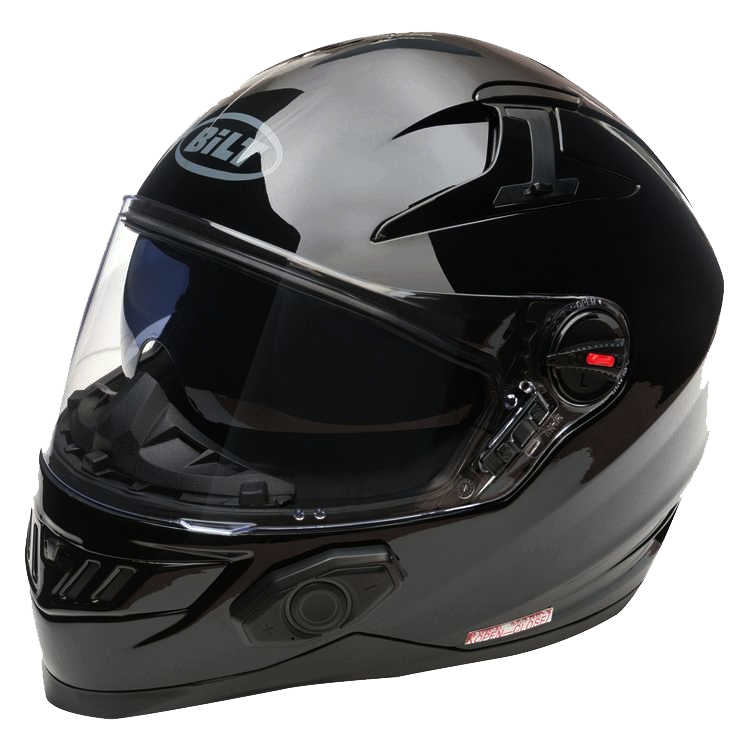
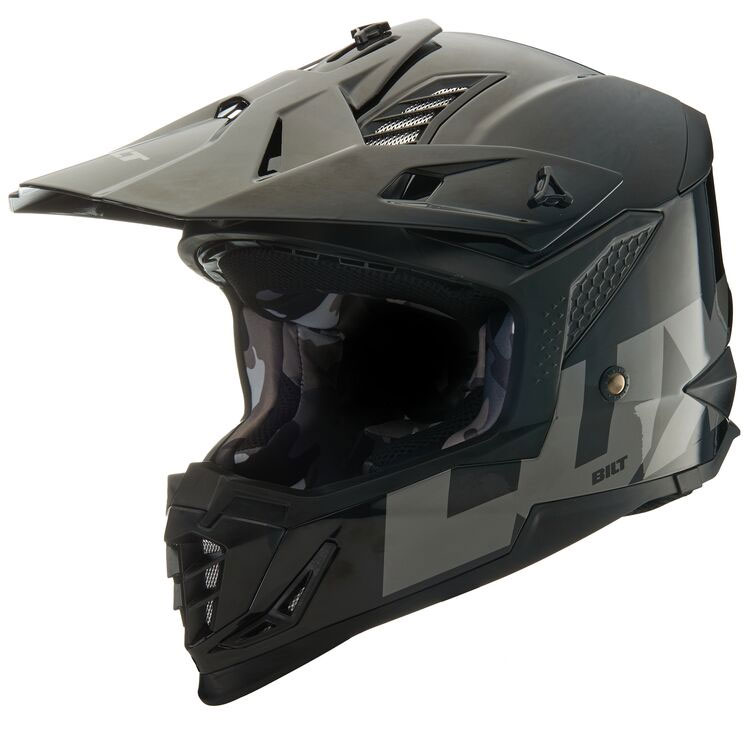
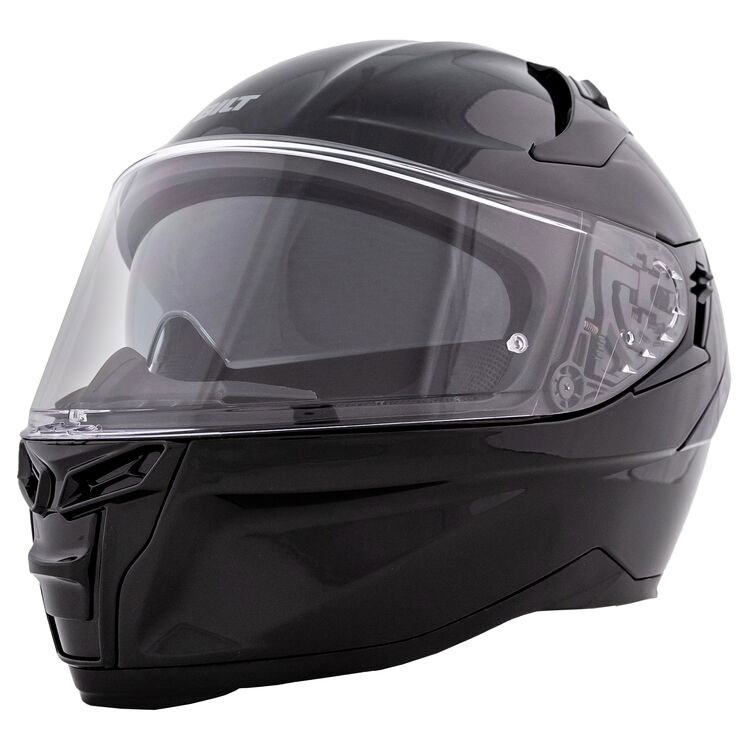
Although all motorcycle helmets need to fit snugly for safety, different styles can affect how tight they feel on your head. Full-face helmets usually offer the most secure fit because they wrap around your entire head, distributing pressure evenly. You might notice they feel tighter at first, but that’s normal as they provide maximum protection.

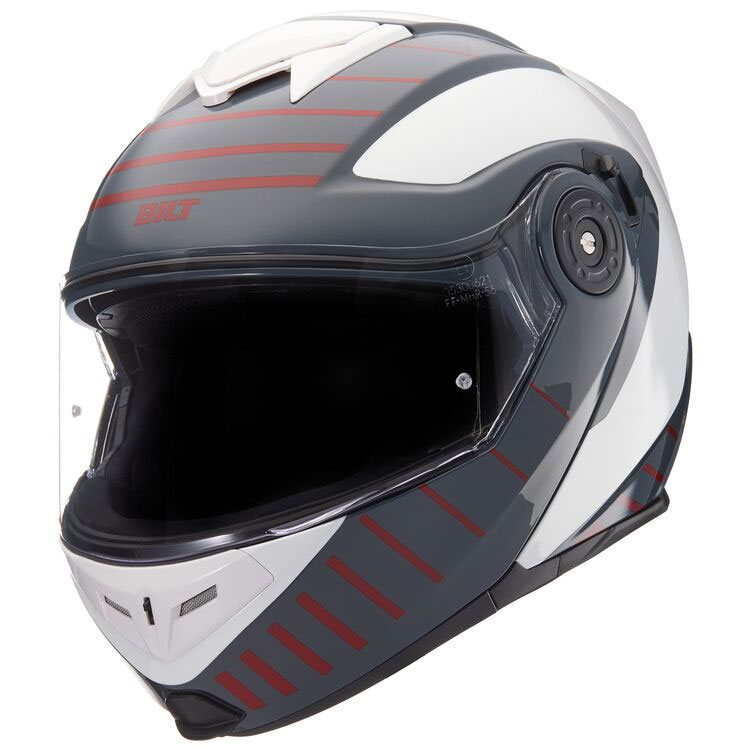
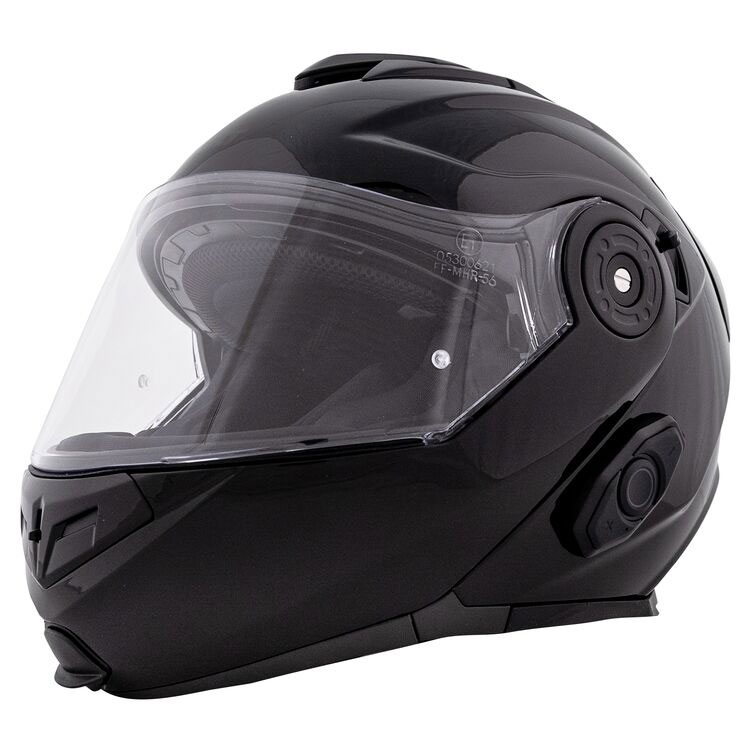
On the other hand, modular helmets combine convenience with fit but may have slightly more movement due to the flip-up chin bar. Open-face helmets give you more airflow and less coverage, so they often feel looser and might require a closer fit to prevent shifting. When trying on different styles, pay attention to pressure points and comfort—each style’s design influences how tight your helmet should feel without causing discomfort.

When to Replace Your Helmet Due to Fit Problems

Different helmet styles might feel comfortable at first, but over time, fit issues can develop that affect your safety. You should consider replacing your helmet if:

  1. It feels loose or shifts during rides. This compromises protection in a crash.
  2. You notice pressure points or pain after wearing it. This indicates improper fit or padding breakdown.
  3. The helmet’s interior padding has worn down or compressed. This reduces shock absorption and stability.

Ignoring these signs means you’re risking your head protection. A helmet that no longer fits snugly won’t provide the safety you need.

Always prioritize fit over style or price, and replace your helmet promptly if any of these problems arise. Your safety depends on a secure, comfortable fit every time you ride.

Breaking in a New Helmet Without Losing Fit

If you want your new helmet to feel comfortable without compromising its fit, you need to break it in carefully. Start by wearing it for short periods around the house to let the padding conform to your head shape. Avoid forcing the helmet on or off too aggressively, as this can stretch the lining and affect fit.

Keep the chin strap snug but not overly tight during these sessions to maintain proper positioning. Over time, the padding will soften and adjust, improving comfort without loosening. Don’t try to speed up the process by using heat or other methods, as they can damage the helmet’s integrity.

Breaking in your helmet gradually helps preserve its protective qualities while making it feel like a natural extension of you.

How Helmet Fit Impacts Comfort During Long Rides

When you’re out on a long ride, even a helmet that fits well can start to feel uncomfortable if it’s too tight or too loose. Your helmet’s fit directly impacts your comfort, focus, and safety. Here’s why getting the fit right matters:

A helmet’s fit affects your comfort, focus, and safety—get it right for a better ride.

  1. Pressure Points: A helmet that’s too tight creates headaches and sore spots, distracting you from the road.
  2. Movement: A loose helmet shifts during rides, causing irritation and reducing protection.
  3. Ventilation: Proper fit ensures vents align correctly, keeping you cool and preventing excessive sweating.

To stay comfortable on extended rides, make sure your helmet feels snug but not restrictive. Adjust straps and padding as needed, and don’t hesitate to try different sizes or models until you find the perfect balance.

Your comfort affects your ride quality and safety more than you might think.

Frequently Asked Questions

Can Helmet Tightness Affect Hearing While Riding?

Yes, helmet tightness can affect your hearing while riding. If it’s too tight, it might muffle sounds or cause pressure around your ears, making it harder to hear traffic or important noises clearly.

How Does Helmet Fit Impact Wind Noise Levels?

Imagine wind rushing past your helmet like waves on a stormy sea. If your helmet fits snugly, it seals out much of that noise, letting you hear more clearly and ride with less distraction and fatigue.

Are There Specific Helmet Brands Known for Better Fit?

Yes, brands like Shoei, Arai, and Bell are known for offering a better fit with various shell sizes and shapes.

You’ll find more comfort and security when you try different models from these trusted names.

Can Wearing Glasses Affect Motorcycle Helmet Tightness?

Glasses both complicate and complement helmet fit—you’ll notice your helmet feels tighter with frames inside, yet you can’t loosen it too much or safety’s compromised.

Does Helmet Tightness Influence Helmet Ventilation?

Yes, helmet tightness can influence ventilation. If it’s too tight, airflow might be restricted, making it feel stuffy.

You want a snug fit that still allows air to circulate comfortably inside the helmet.

Conclusion

Finding the perfect helmet fit is like locking the final piece of a puzzle—secure but comfortable, snug but not suffocating. If it’s too loose, safety slips away; too tight, comfort fades and distractions grow.

Remember, your helmet isn’t just gear—it’s your shield on every ride. So, measure carefully, adjust straps, and listen to your head’s signals.

A well-fitted helmet keeps you safe and lets the road unfold beneath you, worry-free. Following these 10 tips on how tight a motorcycle helmet should be ensures maximum protection and comfort every time you ride.

Similar Posts

Leave a Reply

Your email address will not be published. Required fields are marked *