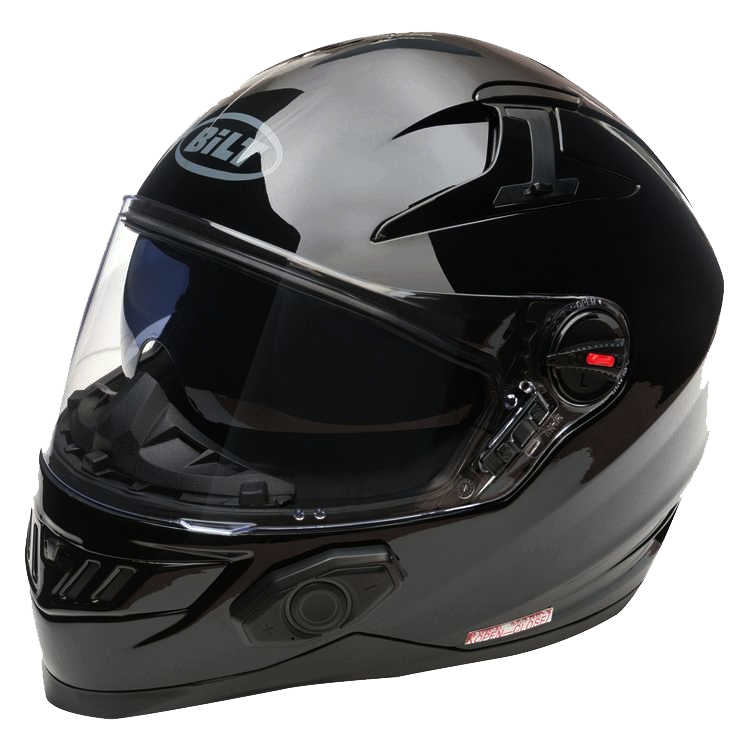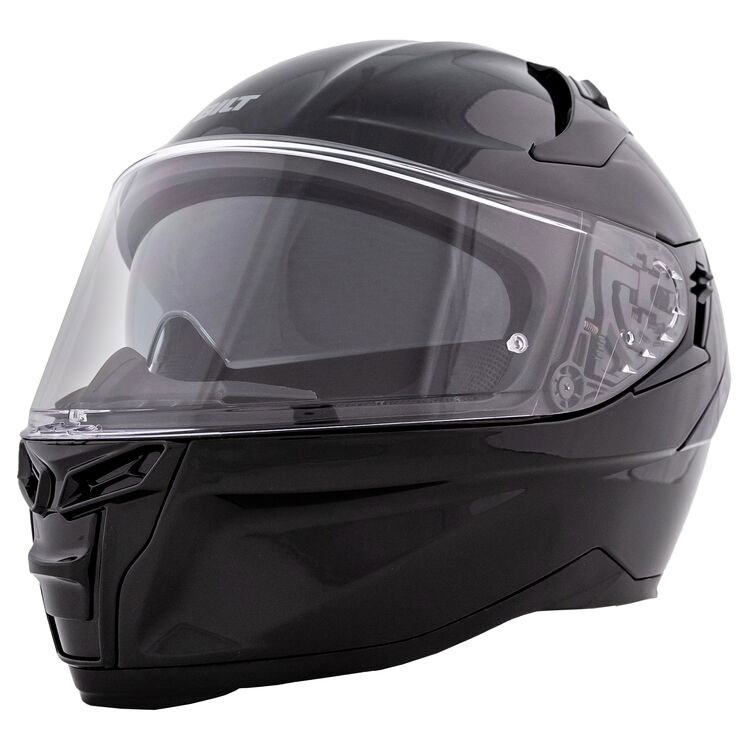
7 Facts About Not Wearing a Helmet on a Bike
Not wearing a helmet on your bike seriously raises your risk of head injuries like concussions or skull fractures in crashes or falls.
Bike safety depends heavily on wearing a properly fitted helmet since helmets absorb impacts on the top and sides of your head, though not all areas. Despite common myths about style or comfort, helmets reduce your injury risk by about 60%.
Legal rules often require helmets to protect riders, emphasizing their importance in preventing severe injuries.
Choosing the right helmet fit matters a lot to maximize protection during accidents. If you want to stay safer and avoid fines, there’s plenty more useful info ahead.
Key Takeaways
- Not wearing a helmet significantly increases the risk of head injuries, including concussions and skull fractures, during bike accidents.
- Helmet use reduces the risk of serious head injury by approximately 60%, enhancing rider safety in crashes.
- Many riders mistakenly believe helmets are uncomfortable, expensive, or unnecessary, but modern helmets are affordable and designed for comfort.
- Helmet laws vary regionally, and failing to comply can result in fines, legal penalties, and affect liability in accidents.
- Long-term consequences of head injuries without helmets include cognitive and physical impairments, making helmet use crucial for protection.
Why Riding Without a Helmet Raises Head Injury Risk
Although you might feel confident riding without a helmet, doing so considerably increases your risk of head injuries. Without that protective barrier, even a minor fall or collision can cause serious trauma to your skull and brain. Helmets are specifically designed to absorb impact energy, reducing the force that reaches your head.
When you skip wearing one, your brain is vulnerable to direct impacts, which can lead to concussions, skull fractures, or worse. You might think accidents happen rarely, but unexpected slips or encounters with vehicles can happen anytime. By not wearing a helmet, you’re fundamentally leaving your most crucial organ exposed.
Protecting your head isn’t just about preventing injury—it’s about ensuring you can keep riding safely for years to come.
Helmet Protection in Different Crash Types
When you crash on a bike, different parts of your head can take the hit depending on the type of fall or collision. Helmets offer varying levels of protection depending on the impact zones involved. Understanding common crash scenarios helps you see how helmets can reduce serious injuries.
Impact Zones and Risks
Since you can’t predict how you’ll fall or what part of your head will take the brunt of the impact, understanding different crash types is essential for grasping how helmets protect you. Helmets are designed to absorb shock and shield key impact zones, but risks vary depending on how you hit the ground.
Here are common impact zones and their associated risks:
- Front impact: Can cause forehead fractures or facial injuries.
- Side impact: Risks include temple and ear injuries.
- Top impact: May result in skull fractures or concussions.
- Rear impact: Poses danger to the back of your head and neck.
- Oblique impact: Combines rotational forces that increase brain injury risk.
Knowing these zones helps you appreciate why helmet coverage matters in reducing injury severity.
Helmet Effectiveness Varies
Understanding where you’re most likely to hit your head helps explain why helmets don’t offer the same level of protection in every crash. Helmets are designed primarily to absorb impact from hits to the top and sides of your head, which are common in many falls.
However, if you crash in a way that causes impact to the back or base of your skull, the helmet’s protection might be less effective. Similarly, in high-speed collisions or when your head strikes sharp objects, the helmet’s ability to reduce injury can be limited.
Common Crash Scenarios
Although helmets provide essential protection, their effectiveness can vary considerably depending on the type of crash you experience. Different crash scenarios put your head at unique risks, and helmets are designed to reduce injury in many but not all situations.
Here’s how helmets perform in common crashes you might face:
- Single bike fall: Helmets absorb impact when you hit the ground, lowering the chance of serious head injury.
- Collision with a vehicle: Helmets help, but the severity depends on speed and angle of impact.
- Side impact: Protection varies; helmets often protect the top and front better than the sides.
- High-speed crashes: Helmets reduce injury but can’t prevent all trauma at very high speeds.
- Rollovers: Helmets help cushion multiple impacts but can wear down with repeated hits.
Knowing these scenarios helps you understand your helmet’s limits.
Surprising Statistics on Helmet Use and Bike Accidents
When you skip wearing a helmet, you’re statistically more likely to suffer serious injuries in a bike accident. Studies show that helmet use reduces the risk of head injury by about 60%. Yet, nearly half of cyclists don’t wear helmets regularly.
In crashes involving motor vehicles, helmeted riders are markedly less likely to experience traumatic brain injuries. Surprisingly, younger riders are less consistent with helmet use, despite higher accident rates in that group. Urban areas report lower helmet usage compared to suburban or rural regions, even though urban cyclists face more traffic hazards.
Myths That Make Riders Skip Helmets
You might think helmets aren’t necessary for short rides or slow speeds, but those are common myths that put you at risk. Many riders underestimate how quickly accidents can happen and how severe injuries might be.
Let’s clear up these misconceptions so you can make safer choices on the road.
Helmet Myths Debunked
Since helmets are often seen as uncomfortable or uncool, many riders skip wearing them without realizing the risks. It’s time to bust some common helmet myths that might be holding you back:
- Helmets ruin your style: Modern helmets come in sleek designs to fit your look.
- They’re too hot to wear: Ventilated helmets keep your head cool.
- Helmets don’t prevent injuries: They markedly reduce the risk of serious head trauma.
- Only beginners need helmets: Even expert riders benefit from protection.
- Helmets are expensive: Affordable options offer great safety without breaking the bank.
Don’t let these myths stop you. Wearing a helmet is a smart choice that keeps you safer every time you ride.
Common Rider Misconceptions
Understanding why some riders skip helmets often comes down to misconceptions that seem convincing at first glance. You might think helmets are uncomfortable or ruin your style, but modern designs are lightweight and sleek. Some believe helmets aren’t necessary for short rides or slow speeds, yet accidents can happen anytime, anywhere.
You may assume helmets don’t protect against all injuries, so why bother? While they don’t prevent every injury, helmets drastically reduce the risk of serious head trauma. Another common belief is that helmets limit your vision or hearing, but properly fitted helmets are designed to maintain awareness.
Recognizing these myths helps you make smarter choices, prioritizing safety without compromising comfort or enjoyment on your bike rides.
Risk Underestimation Factors
Although you might feel safe on familiar routes or during calm rides, underestimating the risks can be dangerous. Many riders skip helmets because they believe certain myths that downplay the danger.
You might think accidents only happen at high speeds or on busy roads, but that’s not true. Here are some common risk underestimation factors:
- “I’m too experienced to crash.”
- “Helmets aren’t necessary for short trips.”
- “Slow speeds mean no serious injury.”
- “I’m just riding in a safe neighborhood.”
- “Wearing a helmet messes up my hair or looks uncool.”
Long-Term Effects of Head Injuries Without Helmets
When you ride without a helmet and suffer a head injury, the consequences can last far beyond the initial accident. You might experience cognitive issues like memory loss, difficulty concentrating, or slowed thinking that affect your daily life. Emotional changes, such as increased irritability or depression, are also common and can strain your relationships.
Physical symptoms like headaches, dizziness, or sensitivity to light may persist for months or even years. Without a helmet, the severity of these injuries often increases, making recovery longer and more challenging. You could face permanent disabilities that impact your independence and quality of life.
Wearing a helmet considerably reduces these risks, helping protect your brain from trauma that leads to long-term complications you don’t want to deal with down the road.
What You Need to Know About Helmet Laws and Legal Risks
Because helmet laws vary widely depending on where you live, it’s important to know the rules that apply to you before hitting the road. Some places require helmets for all riders, while others only mandate them for children. Ignoring these laws can lead to fines or other legal consequences.
Beyond fines, not wearing a helmet might affect liability if you’re involved in an accident. Here’s what you need to keep in mind:
- Check local and state helmet laws before riding
- Understand age-specific helmet requirements
- Know the penalties for not wearing a helmet
- Be aware that insurance claims can be impacted by helmet use
- Remember that helmet laws aim to reduce serious injuries
Staying informed helps you avoid legal risks and stay safer on your bike.
Easy Tips to Make Helmets More Comfortable
If you find helmets uncomfortable, there are simple adjustments you can make to improve the fit and feel. First, make sure the straps are snug but not tight, so your helmet stays in place without causing pressure. Adding a cushioned liner can reduce irritation and improve airflow.
Also, try different helmet sizes or designs; some fit better depending on your head shape.
| Tip | Benefit |
|---|---|
| Adjust straps | Secure fit without tightness |
| Use cushioned liners | Enhance comfort and ventilation |
| Try different helmets | Find a better shape and fit |
Frequently Asked Questions
Can Wearing a Helmet Affect My Cycling Performance?
Wearing a helmet might feel a bit restrictive at first, but it won’t substantially affect your cycling performance. Modern helmets are lightweight and aerodynamic, so you’ll stay protected without sacrificing speed or comfort during your rides.
How Do Helmet Materials Impact Safety?
Helmet materials impact safety by absorbing and dispersing impact forces. You’ll find materials like expanded polystyrene foam offer excellent shock absorption, while tougher shells safeguard against penetration.
Choosing quality materials guarantees better protection during crashes.
Are There Specific Helmets for Different Types of Biking?
You might wonder if all helmets are the same, but they’re not. You’ll find specific helmets designed for mountain biking, road cycling, and BMX, each tailored for different impacts and ventilation needs to keep you safer.
How Often Should I Replace My Bike Helmet?
You should replace your bike helmet every 3 to 5 years, or immediately if it’s been involved in a crash.
Over time, materials degrade, so don’t risk your safety with an old or damaged helmet.
Do Helmets Protect Against Neck Injuries?
Think of your helmet as a sturdy shield guarding your head’s castle—it protects your brain but doesn’t fully defend your neck.
Conclusion
Riding without a helmet is like playing with fire—you’re risking serious head injuries every time you take off. Remember, helmets aren’t just a piece of gear; they’re your brain’s best bodyguard in crashes. Don’t let myths fool you or comfort hold you back.
Knowing the laws and making helmets comfy can make all the difference. So, gear up and protect your most valuable asset—your head—every time you ride. Always prioritize safety by wearing a helmet to prevent severe injuries and ensure a safer biking experience.