Up to % OFF
Winter collection 2025
View Collection
Bilt - motorcycle gear website!
Browse our categories
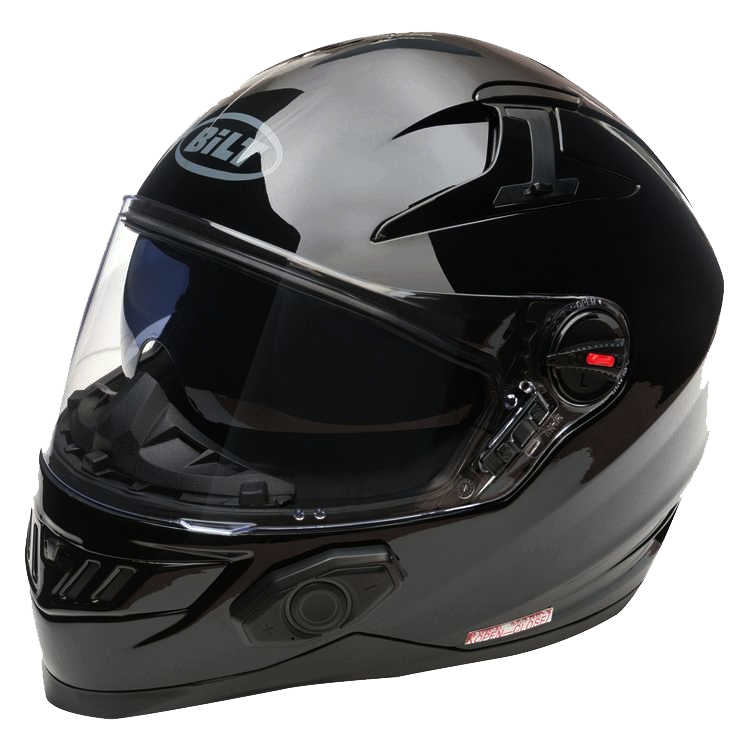
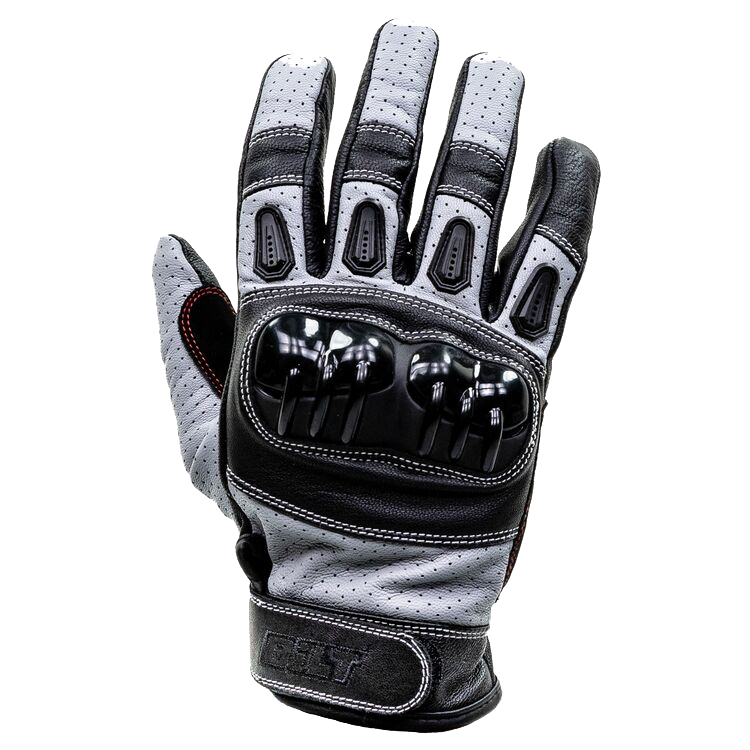
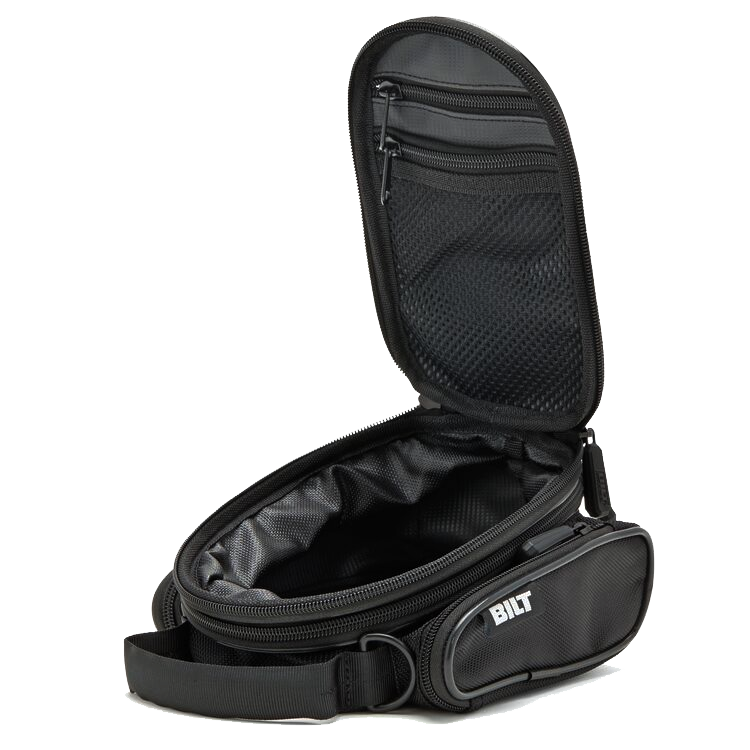
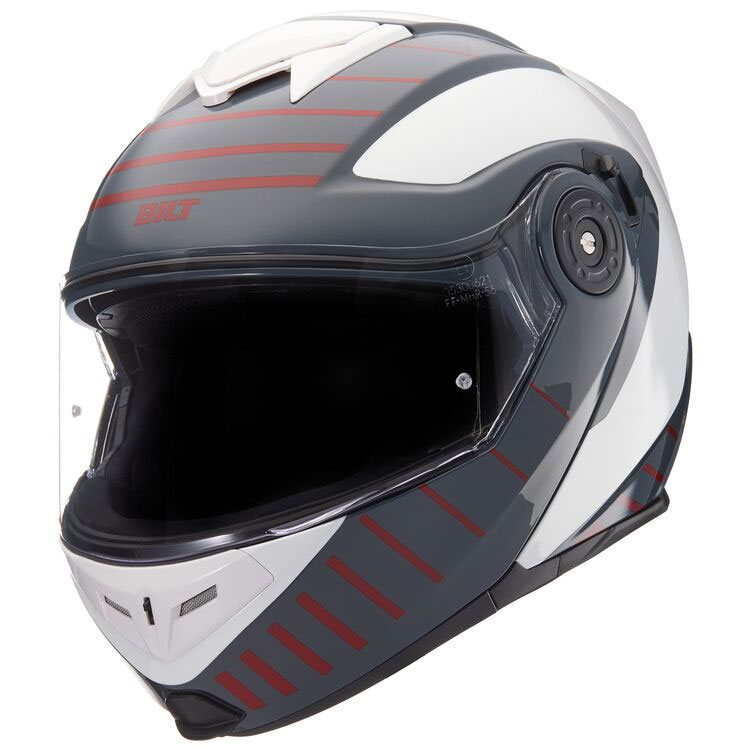
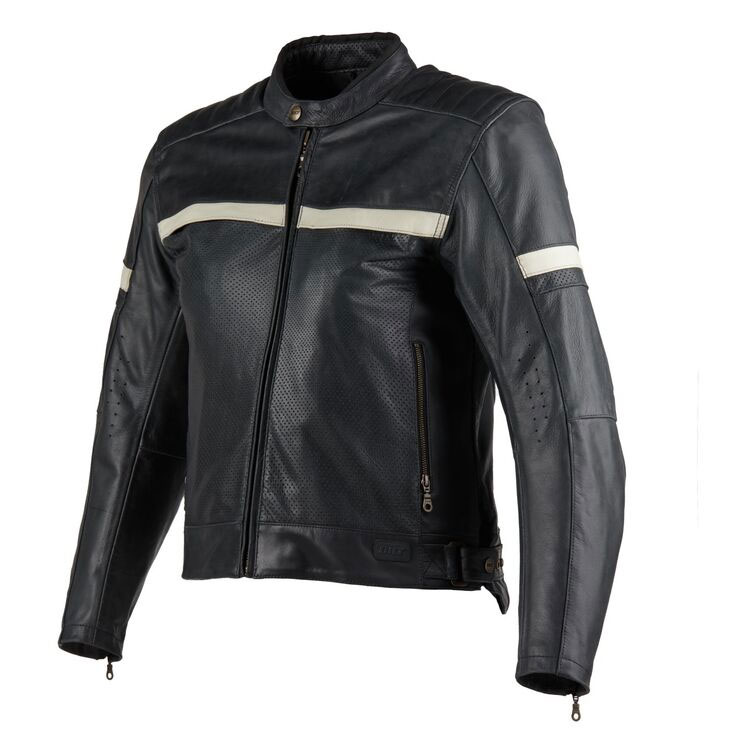
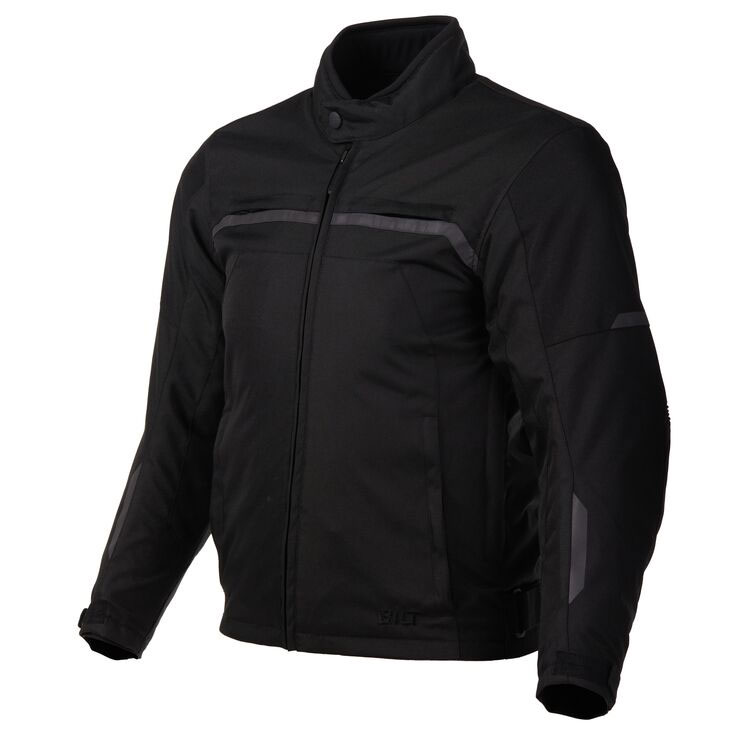
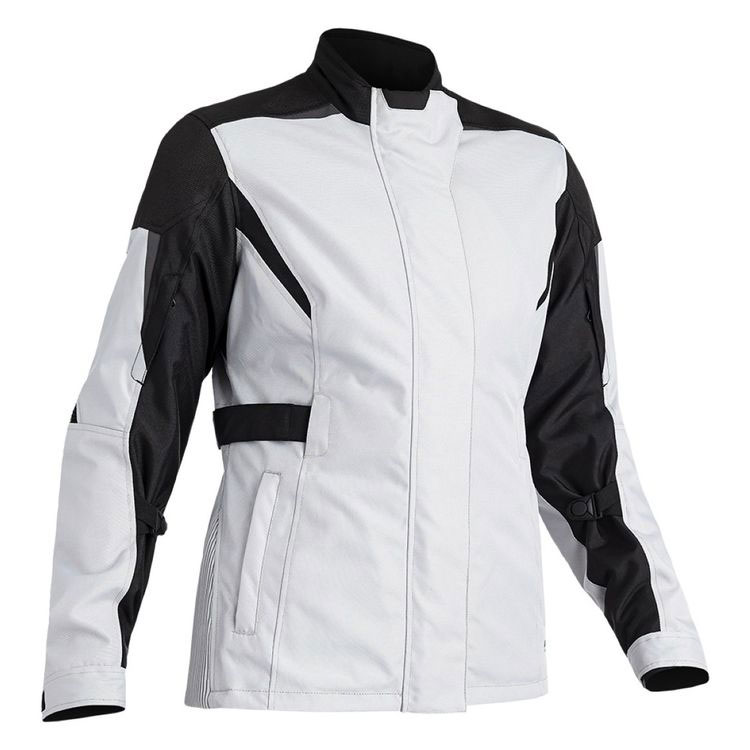
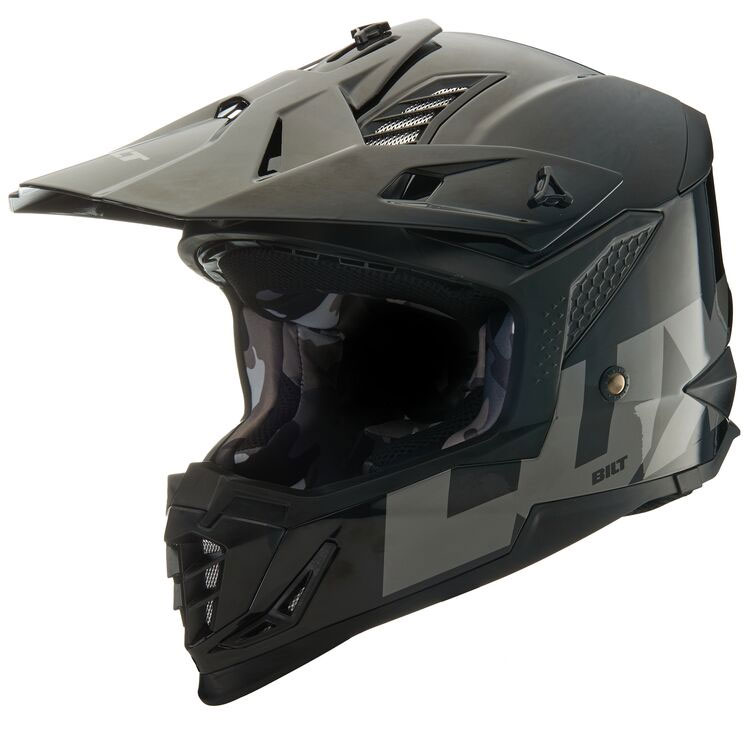
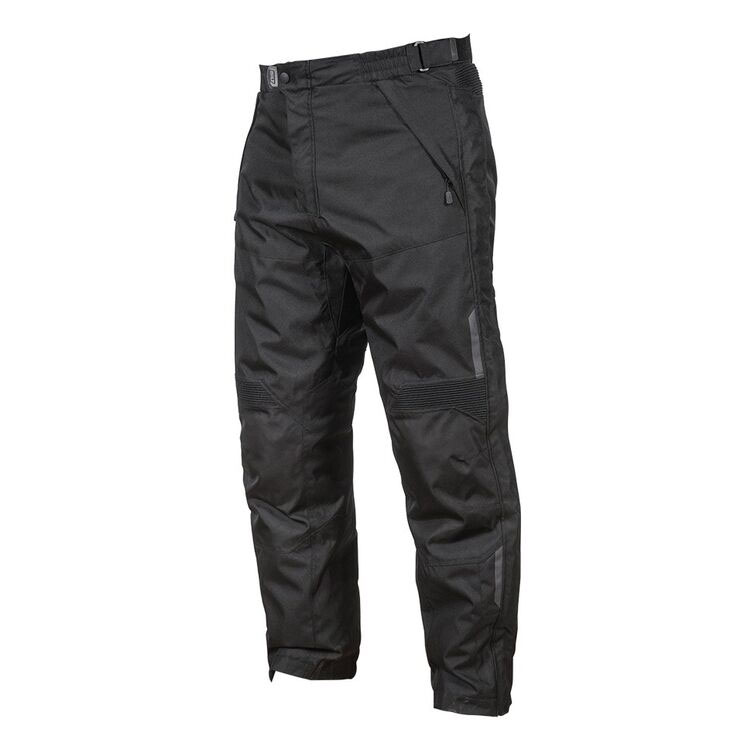
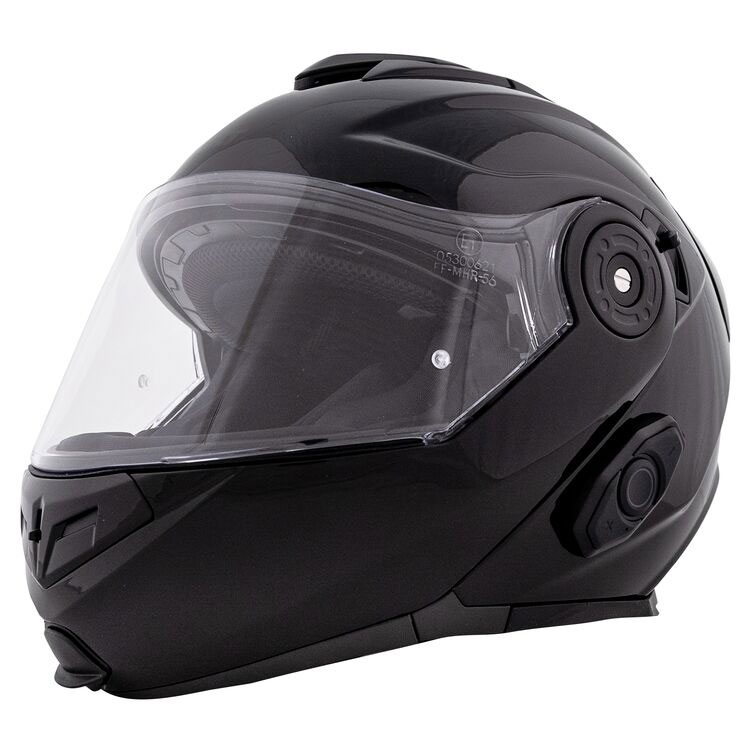
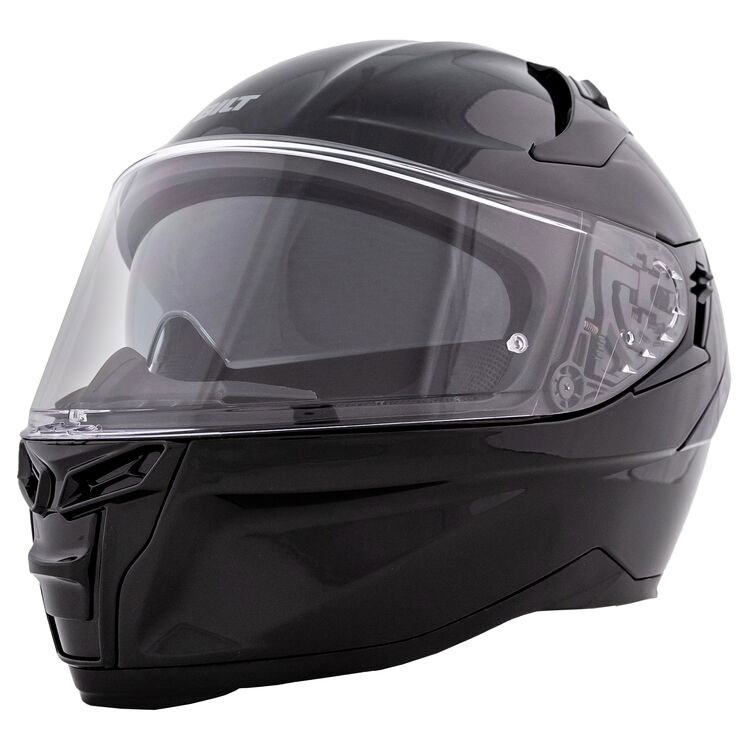
Bilt motorcycle helmets and gear, along with our carefully curated line of apparel and clothing, combine cutting-edge technology with sleek design to provide motorcycle riders with superior safety, style, and comfort on every journey.
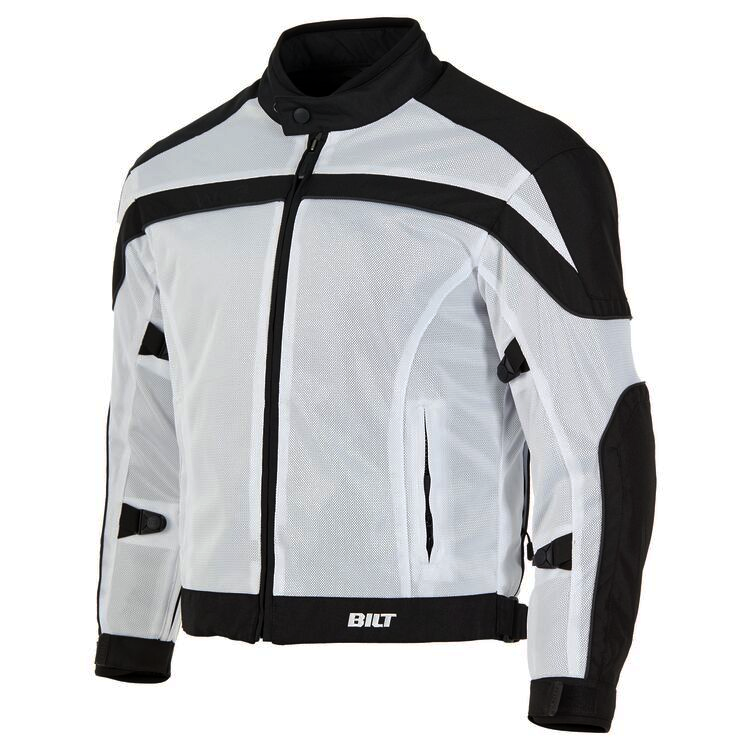
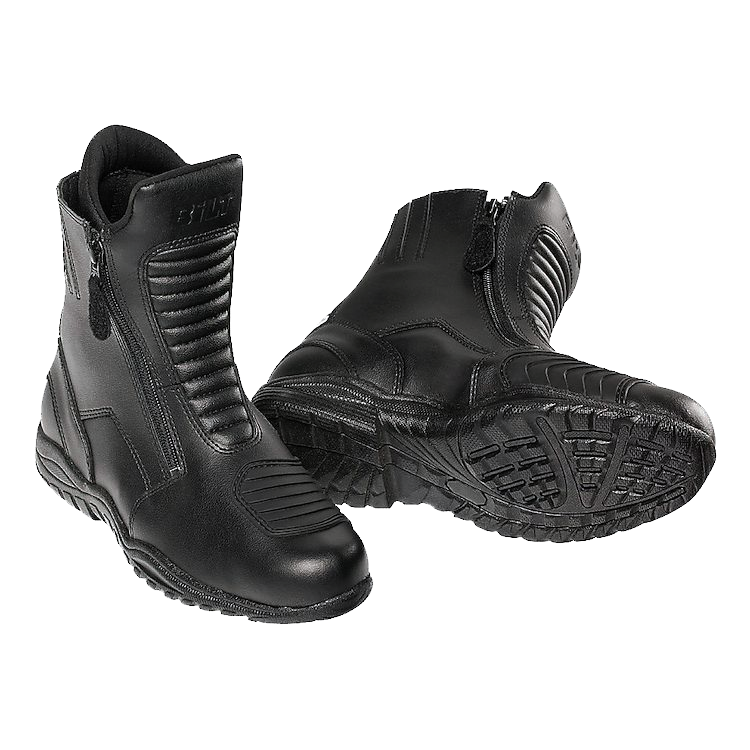
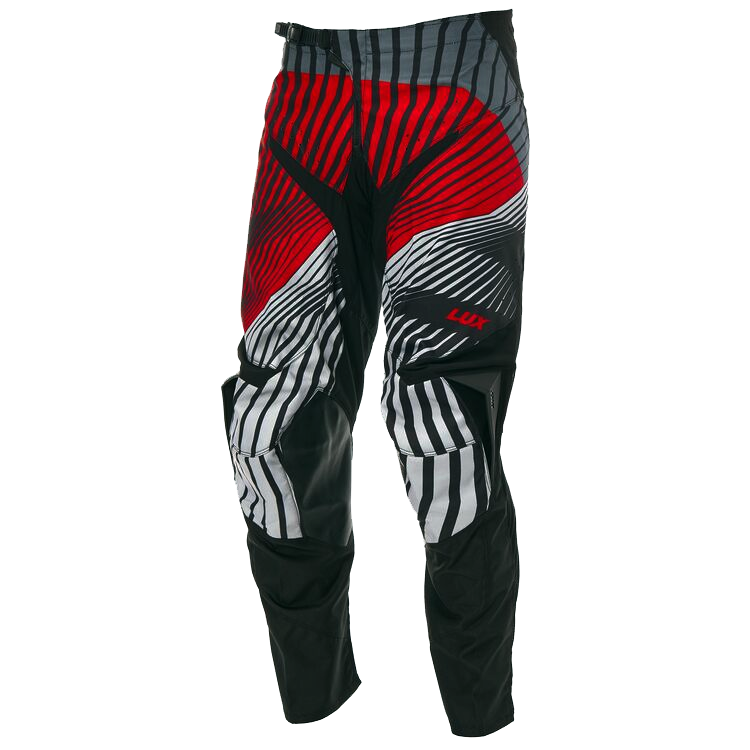
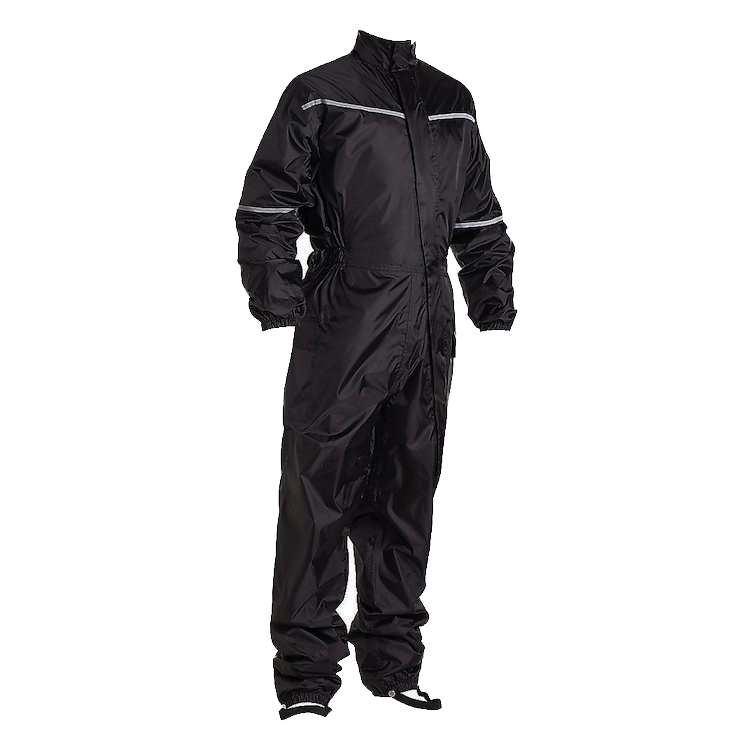
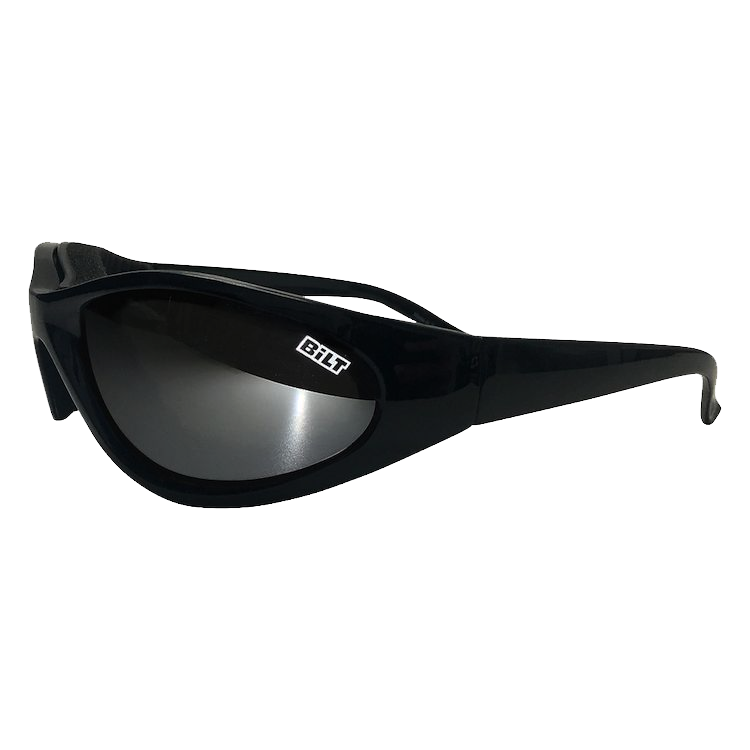
Bilt for any occasion
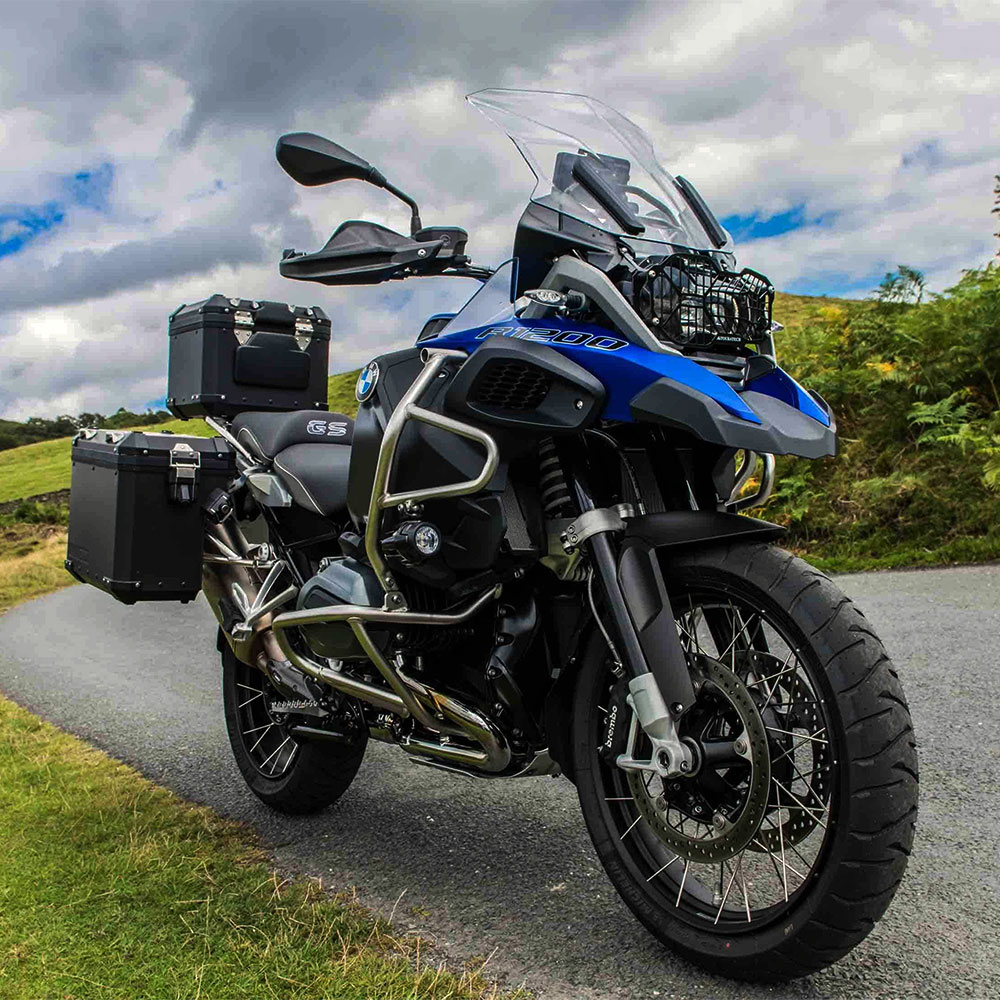
ADV/Touring
ADV/Touring embarks riders on thrilling adventures across diverse terrains, blending the love for exploration with the passion for motorcycle riding.
View Collection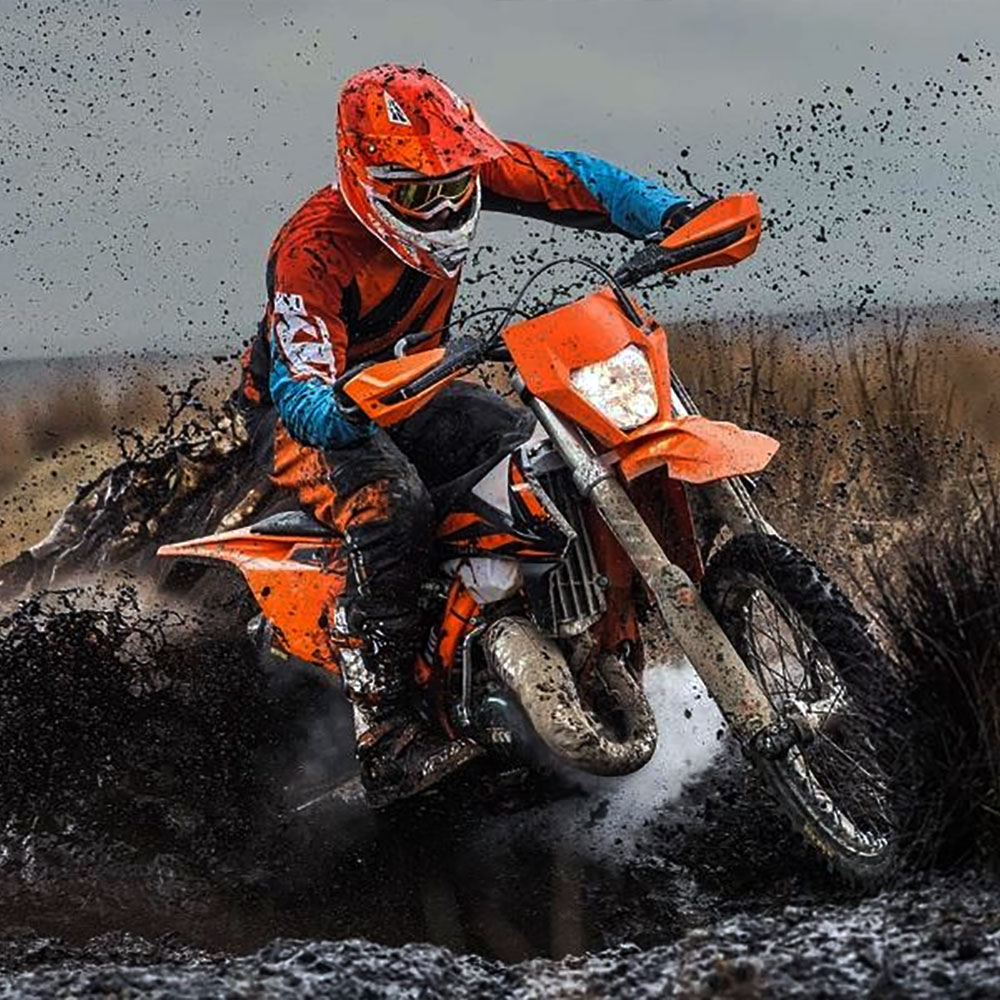
Dirt/KTM
Dirt/KTM encapsulates the spirit of off-road excitement, offering riders unmatched performance and durability to conquer any trail.
View Collection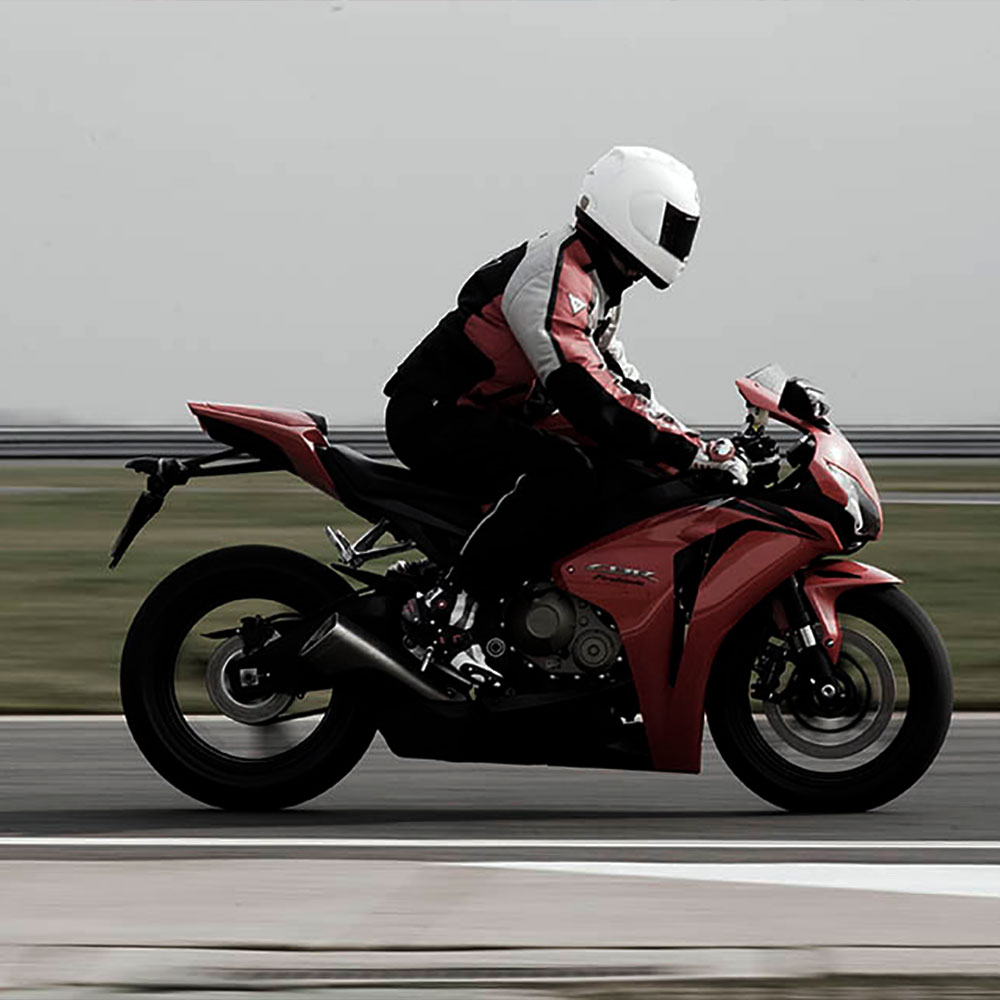
Sport
Moto sport riding thrives on speed and precision, offering an adrenaline-fueled experience that pushes the limits of both rider and machine.
View Collection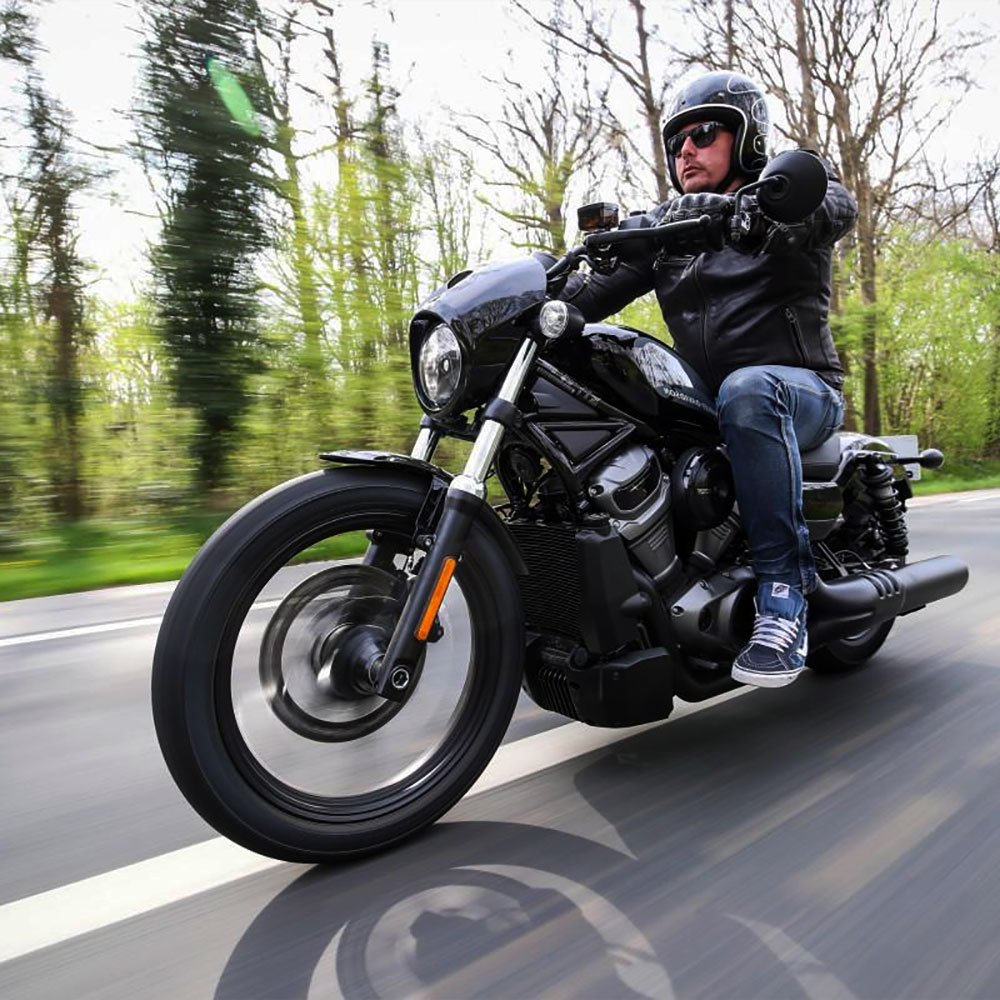
V-twin
V-Twin riding celebrates the power and rumble of iconic engines, embodying the essence of cruising and the freedom of the open road.
View Collection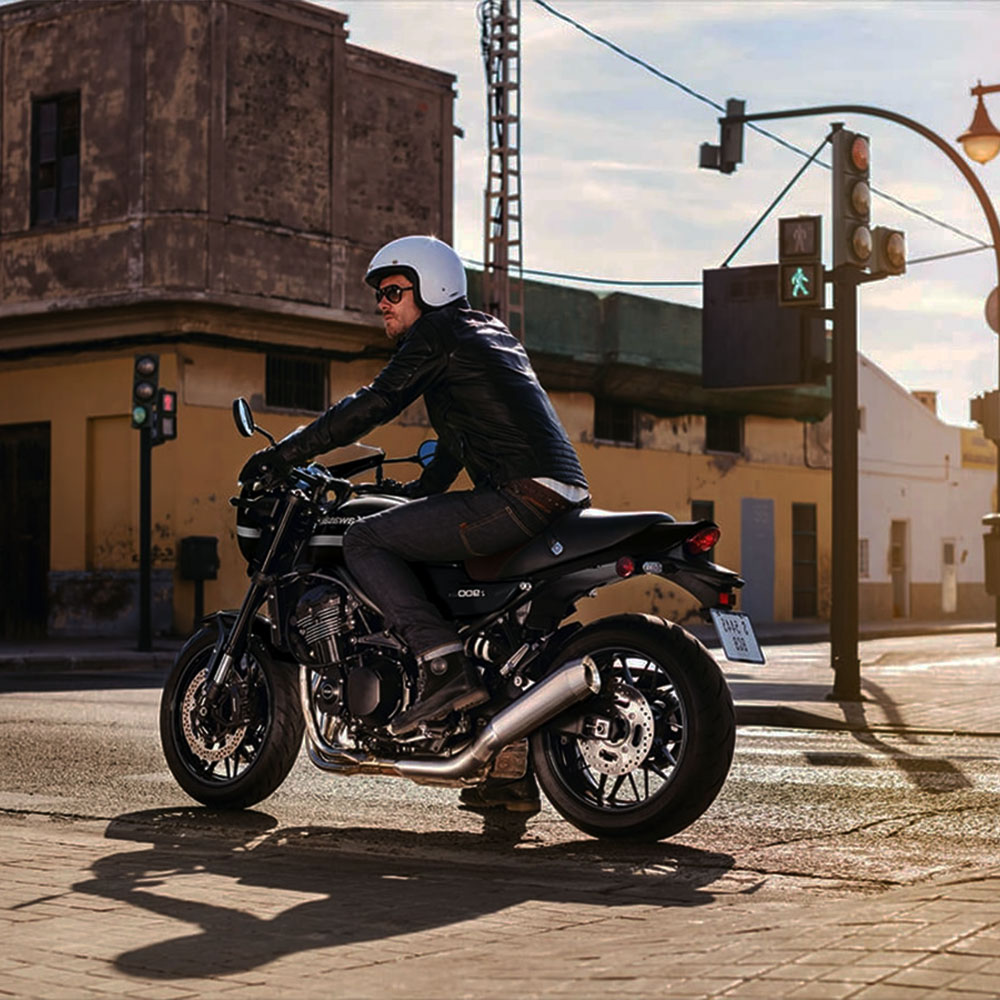
Cafe riding
Moto cafe riding blends classic style with modern performance, evoking a sense of nostalgia and community among riders who cherish café racer culture.
View Collection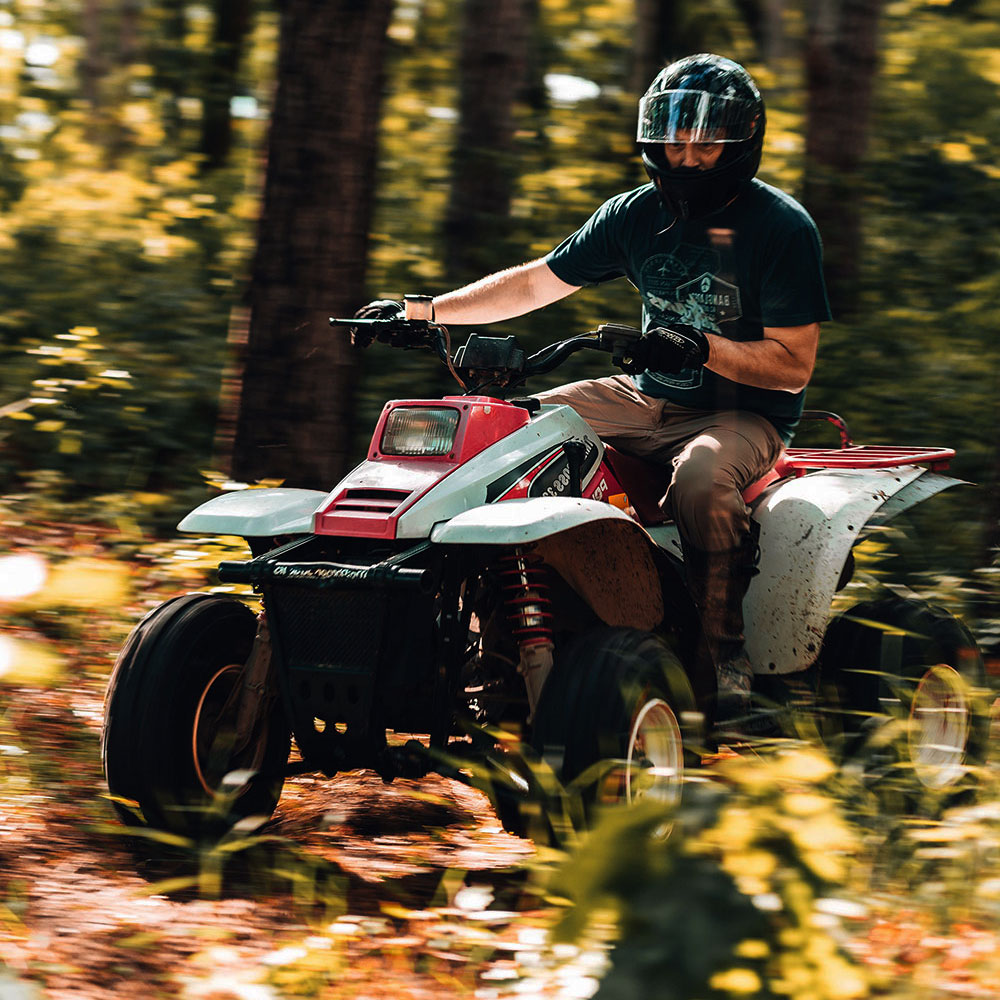
UTV/ATV
UTV/ATV riding offers an exhilarating off-road experience, allowing riders to explore rugged terrains and challenging landscapes with power and agility.
View CollectionOur best sellers
About Bilt
From our inception, we have been dedicated to the art and science of motorcycle helmet manufacturing. Our journey began with a single purpose: to offer riders unparalleled protection without compromising on style or comfort.
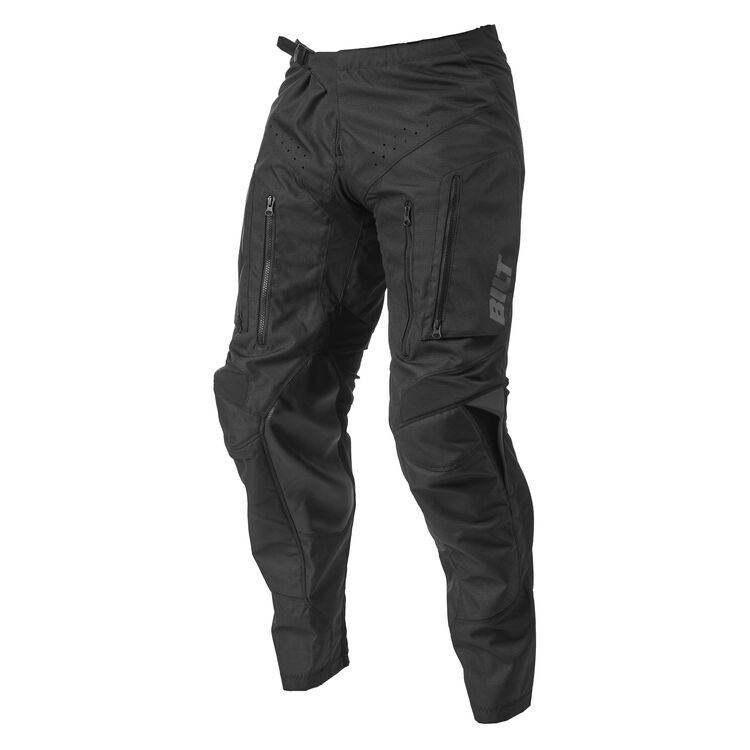
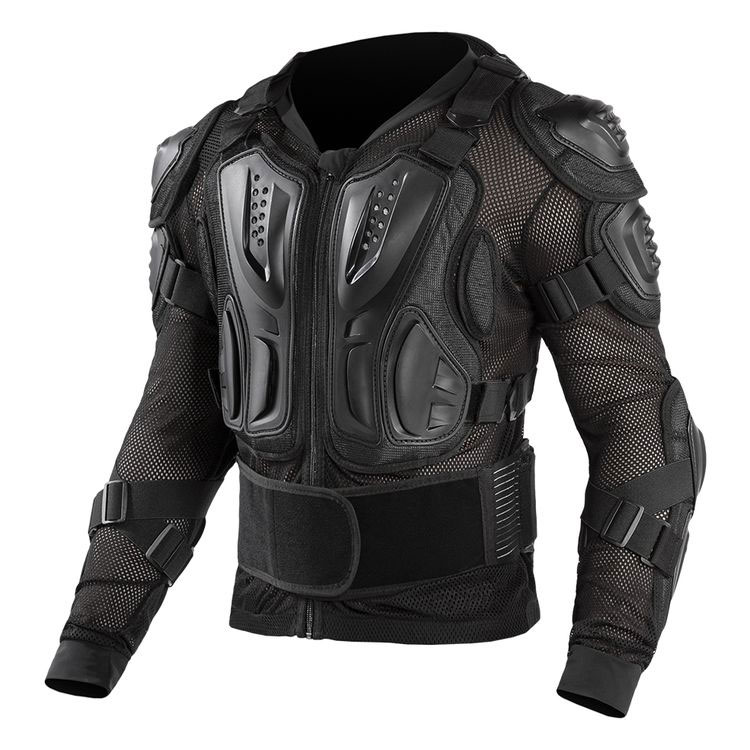
Over the years, our dedication to the needs and feedback of the riding community has fueled our growth and inspired us to expand our horizons. Recognizing the diverse demands of motorcycle enthusiasts, Bilt team ventured beyond helmets, embracing the challenge to manufacture a comprehensive range of motorcycle gear by Bilt. Today, our portfolio includes not only state-of-the-art helmets but also jackets, gloves, pants, and motorcycle boots – each piece crafted with the same attention to detail and dedication to quality and safety.
At the core of our mission is a relentless pursuit of innovation, driven by a passion for enhancing the riding experience. We strive to blend cutting-edge technology with sleek designs, ensuring every rider feels confident and protected, without sacrificing style. Our gear is designed to meet the rigorous demands of all types of riding, from urban commutes to off-road adventures, embodying our commitment to versatility and performance.
As we continue to evolve, our promise to you remains unwavering: to provide gear that sets the standard for safety, comfort, and style. We are proud of our heritage as pioneers in motorcycle helmet manufacturing and excited about the future as we expand our offerings to meet the needs of motorcycle enthusiasts around the globe.
For us, it's not just about creating gear; it's about crafting experiences. Every helmet we design and every piece of gear we produce is an invitation to riders to embark on unforgettable journeys. Our passion is fueled by the spirit of adventure and the pursuit of perfection.
by Alex Taylor, President and CEO of BiltOur products
Top Rated
On Sale
New
Innovation in safety
At the heart of Bilt lies a commitment to safety innovation. Since our inception, we've pioneered advancements in motorcycle helmet manufacturing, setting new standards for protection and comfort in the industry.
Community and adventure
We're more than a brand; we're a community of enthusiasts united by a passion for adventure. Our products are designed with the spirit of exploration in mind, supporting riders as they embark on journeys across city streets, winding roads, and untamed paths.
Sustainability and responsibility
Recognizing our role in the larger global community, we are dedicated to sustainability and responsible manufacturing practices. Our approach includes using eco-friendly materials and processes whenever possible, aiming to minimize our environmental footprint while delivering products that riders can trust for their quality and ethical production.
Low cost or free shipping
Worldwide delivery
Manufacturer guarantee