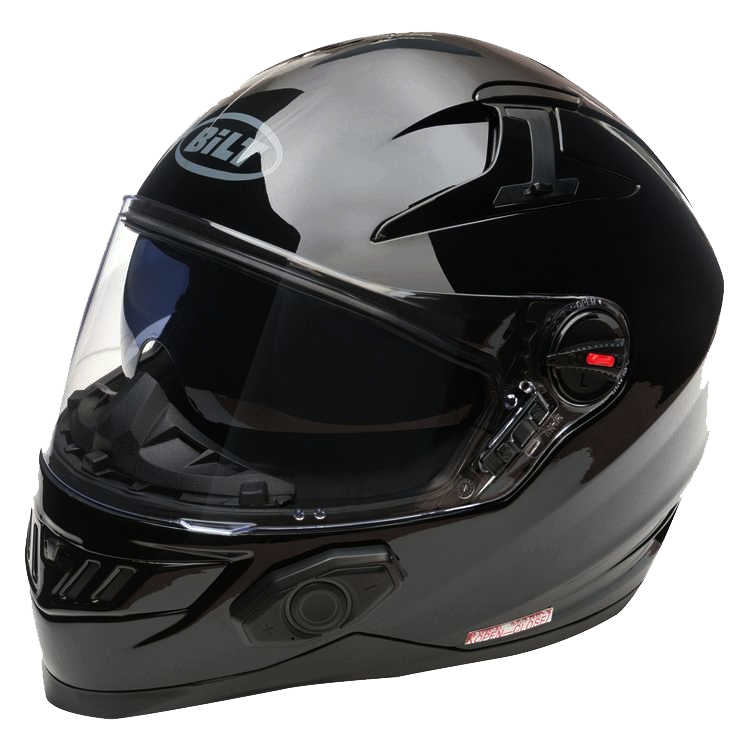
How Long Is a Motorcycle Helmet Good For – A Complete Replacement Guide
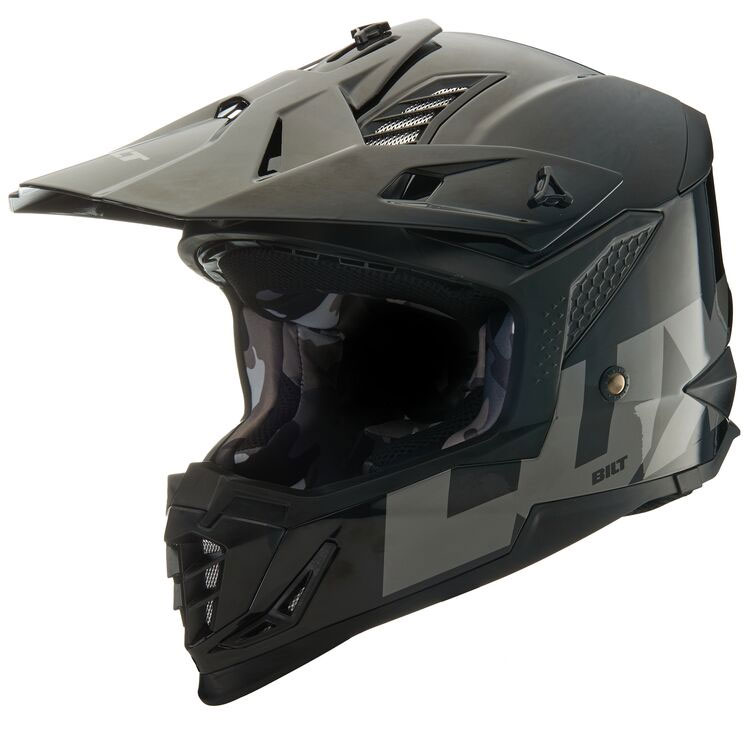
Your motorcycle helmet typically lasts about five years from the manufacture date, making it essential to know when to replace it for maximum safety. Motorcycle helmet lifespan depends on factors like wear and tear, impacts, and environmental exposure.
You should replace your helmet right away if it’s been dropped, damaged, or involved in a crash.
Internal foam degrades over time, reducing protection even if the shell looks fine. Environmental factors like sun exposure and moisture also weaken materials.
Proper care and fit matter for safety and comfort.
Keep these basics in mind, and you’ll find out how to keep your helmet in top shape. This guide will help you choose a reliable replacement when needed.
Key Takeaways
- Most motorcycle helmets should be replaced every 5 years from the manufacture date due to material degradation and safety concerns.
- Helmets must be replaced immediately after a crash or if dropped, even without visible external damage, to ensure internal protection remains intact.
- Environmental factors like sunlight, moisture, and temperature accelerate helmet material breakdown, reducing its effective lifespan and safety.
- Regular inspection for cracks, foam compression, damaged straps, or loose fit is essential to determine if replacement is needed sooner.
- Proper helmet storage and choosing a helmet that meets safety standards and fits well help maximize helmet longevity and rider protection.
How Long Does a Motorcycle Helmet Last on Average?
Most motorcycle helmets last about five years from the date of manufacture, but you should consider replacing yours sooner if it’s been dropped or shows signs of damage. Even if your helmet looks fine on the outside, the inner materials can degrade over time, reducing its ability to protect you during a crash.
Exposure to sunlight, sweat, and general wear and tear also weakens the helmet’s structural integrity. If you’re unsure when your helmet was made, check the label inside or consult the manufacturer. Remember, helmets don’t just expire from age; impact history and environmental factors play a big role.
To stay safe, keep track of your helmet’s age and condition, and don’t hesitate to replace it if you notice any cracks, dents, or compromised padding.
Which Motorcycle Helmet Materials Affect Lifespan?
Understanding how long a helmet lasts involves more than just its age or usage; the materials it’s made from play a big role in its durability and protective qualities. When choosing or evaluating your helmet, consider these common materials and how they affect lifespan:
- Polycarbonate: Affordable and impact-resistant but tends to degrade faster over time.
- Fiberglass Composite: Lightweight and strong, offering better longevity than polycarbonate.
- Carbon Fiber: Extremely durable and lightweight, often providing the longest lifespan.
- Expanded Polystyrene (EPS) Foam: Critical for impact absorption, but it can compress and lose effectiveness after impacts or over time.
Knowing these materials helps you understand why some helmets might need replacing sooner, even if they look fine externally. Keep an eye on the construction quality alongside material type.
How Do Riding Conditions Affect Motorcycle Helmet Durability?
Because helmets are exposed to different environments when you ride, the conditions you face can substantially impact how long your helmet stays effective. Constant exposure to sunlight, for example, can weaken the outer shell and fade its color, reducing its protective capabilities over time.
Similarly, riding in extreme temperatures—whether scorching heat or freezing cold—can cause materials inside the helmet to degrade or lose their shape. Moisture from rain or sweat can also break down the inner lining, promoting bacteria growth and weakening foam cushioning.
Dust, dirt, and road debris add wear and tear, especially if you don’t clean your helmet regularly. To keep your helmet durable, consider how often and where you ride, and clean and store it properly after every trip to extend its lifespan.
Why You Should Replace Your Motorcycle Helmet After a Crash
If your helmet has been in a crash, you should replace it right away because the impact can weaken its structure. Even if you don’t see any damage, internal layers might be compromised and won’t protect you properly. Safety standards also require helmets to be replaced after any significant impact to guarantee your protection.
Impact Compromises Helmet Integrity
Even a minor impact can seriously weaken your helmet’s structure, making it unsafe for future use. When your helmet takes a hit, its ability to absorb energy and protect your head is compromised. You might not see obvious damage, but the helmet’s integrity is affected.
Here’s what happens inside your helmet after an impact:
- The foam liner compresses, reducing shock absorption.
- The outer shell may develop cracks or fractures.
- Internal padding shifts or deforms, affecting comfort and fit.
- Helmet straps and fasteners can weaken or loosen.
Because these changes aren’t always visible, you should replace your helmet after any crash. Continuing to use a compromised helmet increases your risk of injury in future accidents.
Invisible Internal Damage Risks
Though you might not see any visible cracks or dents after a crash, your helmet can still suffer invisible internal damage that seriously reduces its protective capabilities. The foam liner inside absorbs impact energy, but even minor collisions can cause microfractures or compression that weaken it.
This damage isn’t obvious but compromises your helmet’s ability to protect you in future accidents.
Here’s why you should replace your helmet after any crash:
| Invisible Damage Type | Effect on Safety |
|---|---|
| Microfractures in foam | Reduced energy absorption |
| Compression of liner | Loss of shock-absorbing capacity |
| Shell integrity unseen | Potential for unexpected failure |
Ignoring these risks puts you at greater danger, so replacing your helmet is essential to stay safe.
Safety Standards Require Replacement
Because safety standards are designed to protect riders like you, they require helmets to be replaced after any crash, regardless of visible damage.
Even if your helmet looks fine, the impact can cause hidden internal damage that compromises safety.
The protective foam liner may be cracked or compressed, reducing its ability to absorb future shocks.
Manufacturers and safety organizations agree: a helmet’s integrity can’t be guaranteed after a crash.
Here’s why you should replace your helmet after any impact:
- The inner foam absorbs energy and can be permanently damaged
- Cracks or weaknesses may not be visible externally
- Compromised helmets won’t protect effectively in another crash
- Safety certifications become invalid after impact
Replacing your helmet guarantees you stay protected every ride.
What Are the Key Signs You Need to Replace Your Helmet?
If you’ve noticed any cracks, dents, or significant scratches on your helmet, it’s a clear sign that you need to replace it. These damages compromise the helmet’s ability to absorb impact effectively. Also, if the helmet has been involved in a crash—even if it looks fine—it’s time for a replacement.
Over time, the foam liner inside your helmet can degrade, so if it feels softer or less supportive, don’t hesitate to get a new one. Pay attention to the fit, too; if your helmet feels loose or uncomfortable, it’s no longer providing proper protection.
Finally, check the expiration date or manufacturer’s guidelines, as materials deteriorate, making older helmets less safe. Prioritize your safety by replacing your helmet when any of these signs appear.
How to Properly Store and Care for Your Motorcycle Helmet
To keep your helmet in top shape, you’ll want to clean it regularly using mild soap and a soft cloth. Guarantee to store it in a cool, dry place away from direct sunlight or harsh chemicals. Proper care not only extends your helmet’s life but also ensures it stays safe and comfortable.
Cleaning Techniques
Although your helmet protects you on the road, it also needs proper care off it to stay effective. Cleaning your helmet regularly not only keeps it looking good but also maintains its protective qualities. When cleaning, avoid harsh chemicals that can degrade the materials.
Instead, follow these simple steps:
- Use a soft cloth or sponge with mild soap and warm water to wipe the outer shell gently.
- Remove and hand-wash the interior padding with mild detergent, letting it air dry completely.
- Clean the visor with a microfiber cloth and a visor-specific cleaner to avoid scratches.
- Avoid submerging the helmet in water or using strong solvents.
Storage Environment
Keeping your helmet clean is just one part of maintaining its protective power; how and where you store it plays a big role too. Always store your helmet in a cool, dry place away from direct sunlight, as excessive heat and UV rays can weaken the helmet’s materials over time. Avoid places with high humidity or extreme temperatures, like garages or attics, which can damage the inner padding and shell.
Use a soft cloth or helmet bag to protect it from dust and scratches when not in use. Don’t hang your helmet by the straps—they can stretch or deform. Proper storage guarantees your helmet remains in peak condition, preserving its safety features and extending its usable life.
What Do Manufacturers Recommend for Helmet Replacement?
Since your helmet plays a crucial role in protecting you, manufacturers usually recommend replacing it every five years, even if it looks fine on the outside. Over time, the materials inside your helmet, like the foam liner, degrade and lose their ability to absorb impact. Also, the helmet’s fit can change as padding compresses or shifts.
Here’s what most manufacturers suggest you watch for:
- Cracks or dents on the outer shell
- Worn or compressed inner foam
- Faded or damaged straps and buckles
- Helmets involved in any crash, regardless of visible damage
Following these guidelines helps guarantee your helmet can keep you safe when you need it most. Don’t ignore the timeline—it’s about your protection.
How to Choose a New Motorcycle Helmet When It’s Time to Replace
Once you’ve decided it’s time to replace your helmet, choosing the right one can feel overwhelming. Start by making sure the helmet meets safety standards like DOT, Snell, or ECE. Fit is essential—try on several helmets to find one that feels snug but comfortable, with no pressure points.
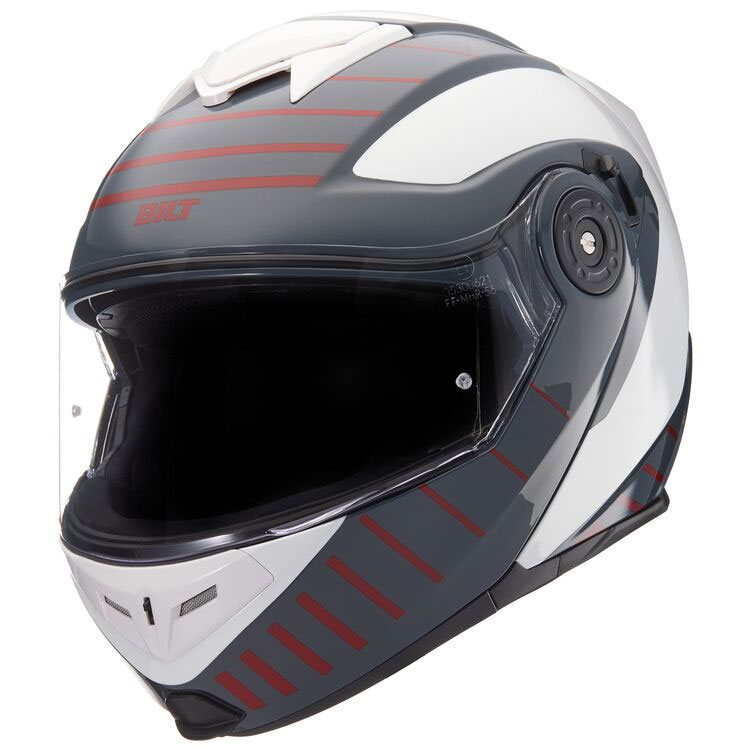
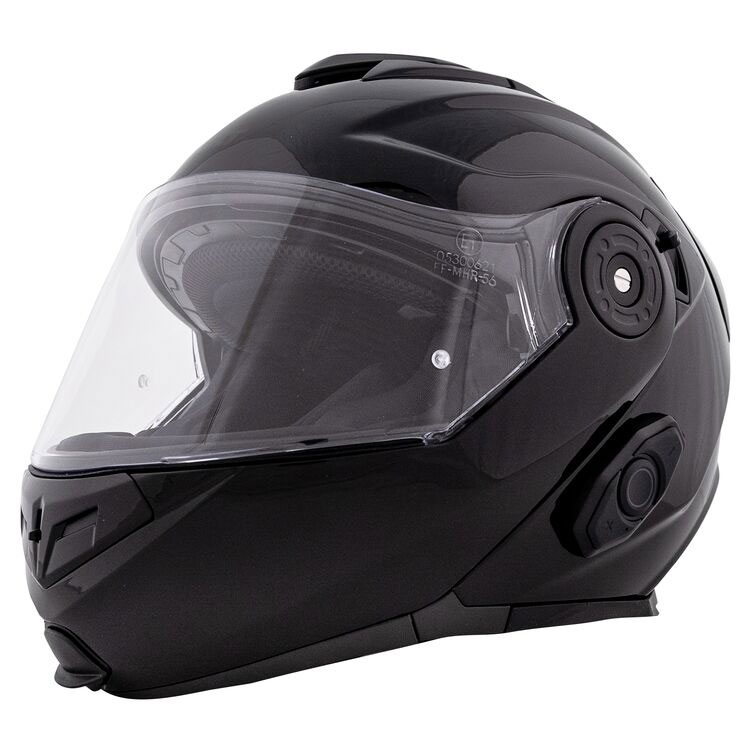
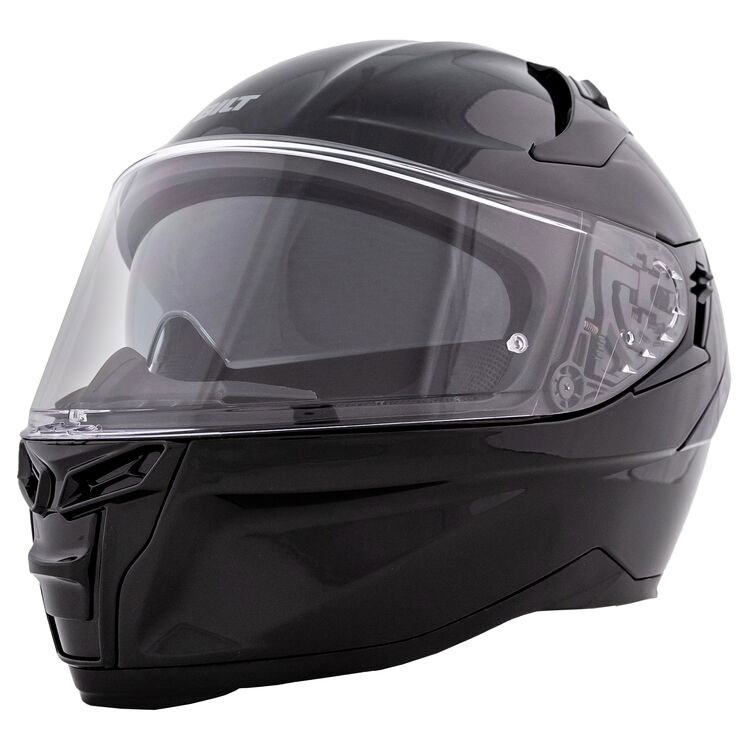
Consider the helmet type based on your riding style: full-face for maximum protection, modular for convenience, or open-face for casual rides. Look at the helmet’s weight and ventilation to guarantee comfort on longer trips. Don’t forget features like removable liners for easy cleaning.
Finally, set a budget but prioritize safety and fit over price. A well-chosen helmet protects you better and makes every ride more enjoyable.
Frequently Asked Questions
Can I Use a Motorcycle Helmet for Other Sports?
You shouldn’t use a motorcycle helmet for other sports since it’s designed specifically for motorcycle impacts. Different sports require different protection types, so using the wrong helmet could increase your risk of injury.
Always choose sport-specific gear.
How Do Helmet Safety Certifications Differ Globally?
Helmet safety certifications differ globally because each region sets its own testing standards. You’ll find DOT in the US, ECE in Europe, and Snell in some places, all ensuring helmets meet specific impact and safety criteria.
Are There Eco-Friendly Motorcycle Helmets Available?
Yes, you can find eco-friendly motorcycle helmets made from sustainable materials like recycled plastics and plant-based fibers. They often feature non-toxic paints and biodegradable packaging, helping you reduce your environmental impact while staying safe on the road.
Can Helmet Graphics or Paint Affect Safety?
Yes, helmet graphics or paint can affect safety if they use harsh chemicals or solvents that weaken the helmet’s shell. You should only use products specifically designed for helmets to avoid compromising their protective integrity.
Using inappropriate materials can degrade the helmet’s ability to protect you in a crash. Always check that any paint or graphics applied meet safety standards. This helps ensure your helmet remains effective.
How Often Should Helmet Padding Be Replaced?
You shouldn’t wait until your helmet padding turns into a soggy sponge! Replace it every 6 to 12 months to keep comfort and safety premier, especially if you ride daily or sweat a lot inside your helmet.
Conclusion
You might think your helmet lasts forever, but the truth is, it doesn’t. Just like your trusty bike, your helmet needs care, attention, and timely replacement to keep you safe. Whether it’s worn materials, a tough crash, or just old age, ignoring the signs can cost you dearly.
So, don’t wait until it’s too late—treat your helmet like your life depends on it, because, well, it does. Knowing how long a motorcycle helmet is good for and following a complete replacement guide can make all the difference. Stay safe by replacing your helmet at the right time to protect yourself on every ride.