Do You Have to Wear a Helmet on a Bicycle?
You have to wear a helmet on a bicycle whenever local laws require it, especially for kids, who are more vulnerable to head injuries. Bicycle helmet laws vary by location, but many focus on protecting young riders.
Wearing a helmet is a simple yet effective way to enhance safety while cycling.
Even if not legally required, wearing a helmet is essential because it protects your head by absorbing impact and reducing injury risk in crashes.
Helmets can significantly lower the severity of head injuries, making cycling safer and more enjoyable for everyone.
To stay fully informed about helmet rules, benefits, and tips for choosing the right one, keep exploring these important details.
Understanding local regulations and the advantages of helmets will help you make smart decisions on the road.
Key Takeaways
- Helmet laws vary by location; some require helmets for all ages, others only for specific age groups like children or teens. Many regions mandate helmets for riders under a certain age, prioritizing children due to higher injury risks and legal responsibilities for caregivers.
- Wearing a helmet significantly reduces head injury risk by absorbing impact and protecting the skull and brain during accidents. No universal law requires helmet use everywhere, but wearing one is strongly recommended for safety regardless of local regulations.
- Dispelling myths about helmets being uncool or unnecessary helps encourage consistent helmet use for all cycling trips.
Do You Really Need to Wear a Helmet When Cycling?
Although some cyclists may feel helmets are uncomfortable or restrictive, wearing one considerably reduces your risk of head injury in an accident. You might think you’re a careful rider, but accidents can happen anytime, whether due to road hazards, other vehicles, or unexpected falls. A helmet acts as your first line of defense, absorbing impact and protecting your skull and brain.
Skipping it might save you a bit of time or hassle, but it’s a gamble with your safety. Plus, modern helmets are designed to be lightweight and well-ventilated, so discomfort is minimized. Ultimately, wearing a helmet is a simple step that can prevent serious injuries, making your cycling experience safer and more enjoyable.
It’s a smart choice you won’t regret.
What Are the Helmet Laws Where You Live?
Since helmet laws vary widely depending on where you live, it’s important to know the specific rules that apply to you. Some places require helmets for all cyclists, while others only mandate them for certain age groups or have no law at all.
Checking your local regulations guarantees you stay compliant and safe.
| Location | Helmet Law Summary |
|---|---|
| California | Helmets required under 18 |
| New York | Helmets required under 14 |
| Texas | No statewide helmet law |
| Australia | Helmets mandatory for all ages |
| United Kingdom | No helmet law, but recommended |
Make sure to look up your local laws or contact your transportation department to get the most accurate info.
Why Do Many Helmet Laws Focus on Kids?
You probably notice that helmet laws often target kids because their safety is a top priority. Since children are more vulnerable to injuries and still developing, protecting them is essential.
Plus, the law tends to place greater responsibility on adults to keep young riders safe.
Child Safety Prioritization
Why do many helmet laws focus specifically on children? It’s because keeping kids safe is a top priority. You want to protect young riders who might not recognize risks or react quickly in dangerous situations.
Children are still learning how to balance and judge traffic, so helmets provide essential protection when accidents happen. Lawmakers know that instilling helmet habits early increases the chances kids will keep wearing them as they grow. Plus, parents and caregivers are more likely to enforce helmet use for kids than adults.
Developmental Vulnerability Concerns
Focusing on children isn’t just about habit-building—it’s also about their unique developmental vulnerabilities. When kids ride bikes, their brains and skulls are still developing, making them more susceptible to serious injury from impacts. Unlike adults, their heads are proportionally larger, and their neck muscles aren’t as strong, increasing the risk of brain injury during falls or collisions.
You also have to take into account that children’s judgment and coordination are still maturing, so accidents are more likely. Because of this, helmet laws often target kids to provide crucial protection during these vulnerable years. By wearing a helmet, you help reduce the severity of head injuries, giving children a safer environment to learn and enjoy cycling without exposing their developing bodies to unnecessary risks.
Legal Responsibility Emphasis
Although helmet laws apply to riders of all ages in some places, many regulations prioritize children because legal responsibility often falls heavily on their caregivers. When you think about it, the law expects adults to guarantee kids’ safety, making helmet use a clear, enforceable measure. Here’s why this focus makes sense:
- Kids are less likely to recognize risks and follow safety rules on their own.
- Caregivers can be held legally accountable if children ride without helmets.
- Helmets substantially reduce serious injuries, which are more common in younger riders.
- Laws targeting kids encourage a culture of safety from an early age, helping habits stick for life.
How Does Wearing a Helmet Protect You?
When you wear a helmet, it absorbs the impact from falls or collisions, reducing the force on your head. This protection lowers your risk of serious brain injuries.
Plus, helmets often make you more visible to others, boosting your overall safety on the road.
Impact Absorption Benefits
How exactly does a helmet protect you during a crash? It absorbs and disperses the force of impact, reducing the energy your head takes. When you hit the ground or another object, your helmet acts as a cushion, lessening damage.
Here’s how it works:
- The outer shell spreads the impact force over a wider area.
- The inner foam liner compresses, absorbing the shock.
- This compression slows down the force reaching your skull.
- Energy is dissipated, lowering the risk of fractures or cuts.
Brain Injury Prevention
The way a helmet absorbs impact directly helps safeguard your brain from serious injury. When you fall or collide, your helmet cushions the blow, reducing the force transferred to your skull and brain. This padding lessens the chance of concussions, skull fractures, or more severe traumatic brain injuries.
Helmets are designed to crush and absorb energy, which helps prevent damage to delicate brain tissue.
Here’s how helmets protect your brain during impact:
| Helmet Feature | Brain Protection Benefit |
|---|---|
| Outer Shell | Deflects and spreads impact force |
| Inner Foam Layer | Absorbs energy, reducing shock |
| Secure Straps | Keeps helmet in place on impact |
| Lightweight Design | Ensures comfort and consistent use |
| Proper Fit | Maximizes protective effectiveness |
Visibility and Safety
Why does wearing a helmet matter beyond just impact protection? It’s also about making you more visible and safer on the road. When you wear a helmet, you increase your chances of being noticed by drivers, pedestrians, and other cyclists.
Here’s how a helmet improves your visibility and safety:
- Many helmets come with bright colors or reflective materials that catch attention.
- Some helmets include built-in lights or mounts for lights, enhancing visibility in low light.
- A helmet raises your profile, making you easier to spot in traffic.
- It signals to others that you’re a cautious rider, encouraging safer behavior around you.
Wearing a helmet isn’t just about impact—it’s a smart way to stay seen and stay safe.
What Risks Do You Face When Riding Without a Helmet?
Although you might feel confident riding without a helmet, doing so exposes you to serious risks, especially head injuries that can lead to long-term disability or even death. When you skip the helmet, any fall or collision could result in a traumatic brain injury, skull fractures, or severe cuts. These injuries can affect your cognitive and physical abilities permanently.
Here’s a quick look at the risks:
| Risk Type | Possible Impact |
|---|---|
| Traumatic Brain Injury | Memory loss, impaired judgment |
| Skull Fracture | Severe pain, potential surgery |
| Facial Injuries | Cuts, broken nose, eye damage |
Wearing a helmet critically lowers these dangers, offering you vital protection every time you ride.
What Are Common Helmet Myths You Should Know?
Because helmets play such a crucial role in your safety, it’s important to separate fact from fiction. You might hear some common myths that can mislead you about helmet use. Here are four to keep in mind:
- Helmets are uncomfortable – Modern helmets are lightweight and well-ventilated, designed for comfort during rides.
- Helmets aren’t necessary for short trips – Most accidents happen close to home, so every ride benefits from protection.
- Helmets only protect against severe crashes – They can reduce the risk of minor head injuries too.
- Wearing a helmet looks uncool – Safety should always come before style, and many helmets come in sleek designs.
Don’t let myths stop you from wearing a helmet every time you ride.
How to Choose the Right Helmet for Your Cycling Needs
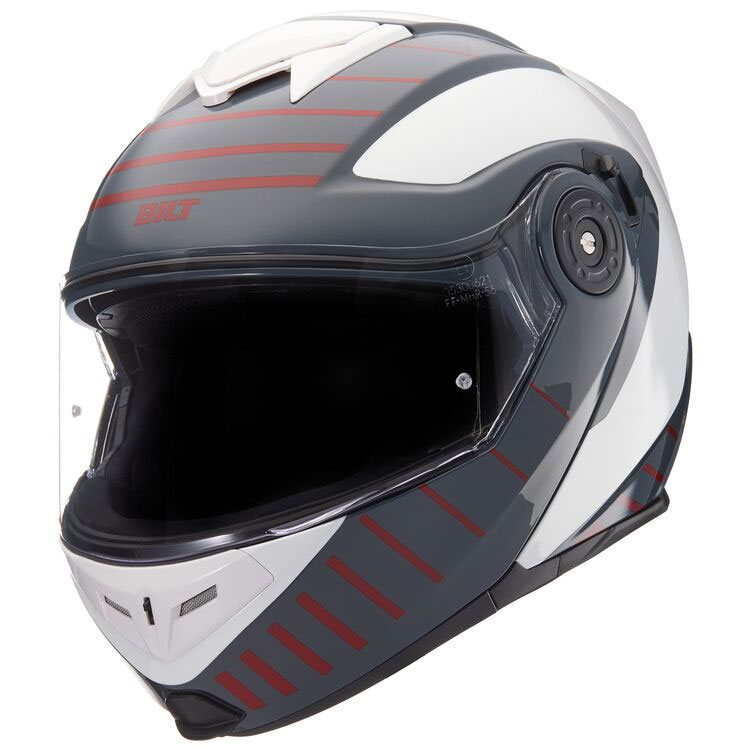
When picking a helmet, you’ll want to take into account factors like fit, safety standards, and the type of cycling you do most often. First, make certain the helmet fits snugly without being uncomfortable—adjust the straps and retention system so it sits level on your head. Check for helmets that meet recognized safety certifications like CPSC, ASTM, or Snell; these ensure the helmet has passed rigorous impact tests.
Consider the style based on your riding: road helmets are lightweight and well-ventilated, mountain bike helmets offer more coverage and sometimes a visor, while commuter helmets focus on comfort and visibility features. Also, think about extras like MIPS technology for added protection or reflective elements for better nighttime visibility. Choosing right means better safety and more enjoyable rides.
How to Make Helmet Wearing a Habit Every Time You Ride
Now that you’ve chosen the right helmet that fits well and meets safety standards, the next step is making sure you wear it every time you ride. Building this habit takes intention and a few practical steps:
- Keep your helmet visible: Place it near your bike or by the door so you see it before heading out.
- Set a reminder: Use your phone or a sticky note to prompt you until it becomes automatic.
- Make it comfortable: Adjust straps and padding so it feels good; discomfort discourages use.
- Associate it with safety: Remind yourself that wearing your helmet protects you, reinforcing its importance.
Frequently Asked Questions
How Do I Properly Clean and Maintain My Bicycle Helmet?
You should clean your helmet by wiping the shell with mild soap and water, removing and washing the padding separately, then air-drying everything.
Avoid harsh chemicals or soaking to keep it safe and maintain its protective quality.
Can Wearing a Helmet Affect My Cycling Performance or Comfort?
Wearing a helmet might feel a bit warmer or heavier at first, but modern helmets are designed for comfort and aerodynamics.
Once you get used to it, you won’t notice much impact on your cycling performance.
Are There Any Helmet Alternatives That Provide Similar Protection?
You can try padded caps or bike-specific hats with MIPS technology, but they generally don’t offer the same level of protection as helmets.
Helmets are still your best bet for serious impact safety while cycling.
How Often Should I Replace My Bicycle Helmet?
You should replace your helmet every three to five years, or immediately after a crash—it’s like your brain’s superhero cape, and you don’t want it weakened or cracked when you need it most.
What Are the Environmental Impacts of Helmet Production and Disposal?
You’ll find helmet production uses plastics and foam, which consume energy and create emissions. Disposal often leads to landfill waste since many helmets aren’t recyclable.
Choosing eco-friendly brands or recycling programs can help reduce this impact.
Conclusion
Wearing a helmet when you ride is like having a shield that guards your most valuable treasure—your head. While laws vary where you live, protecting yourself should always come first. Kids often get extra focus because their safety is essential, but no one’s invincible.
Helmets reduce serious injury risks and bust common myths, making them worth the habit. So, every time you hop on your bike, make helmet-wearing as natural as breathing. Remember, wearing a helmet on a bicycle is a simple step that can save lives and prevent severe injuries.