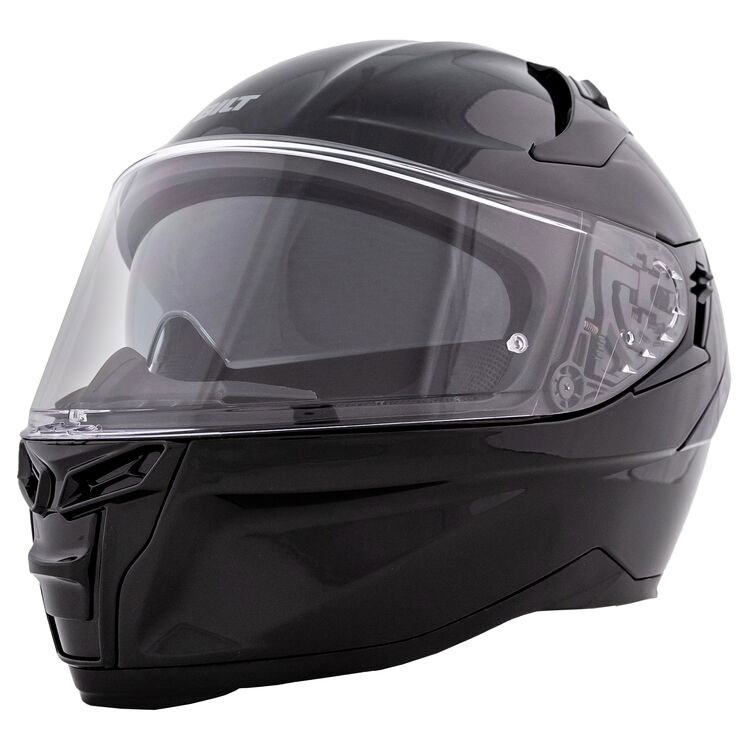
How to Clean Motorcycle Helmet Visor in 7 Easy Steps
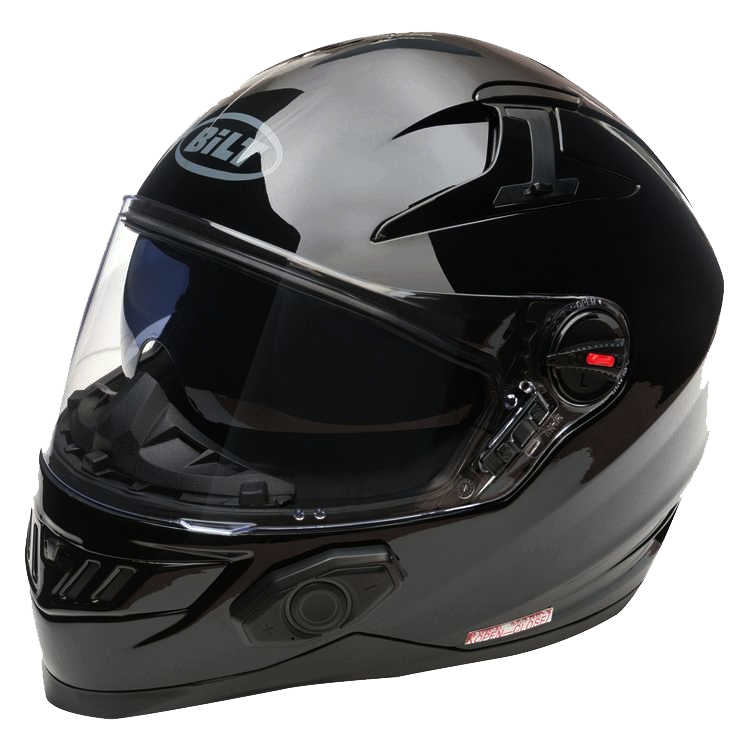
To clean your motorcycle helmet visor in 7 easy steps, start by gathering essential supplies like soft cloths, mild soap, and water. Properly cleaning your helmet visor is crucial for maintaining clear vision and ensuring safety while riding.
Begin by gently removing the visor, following your helmet’s instructions to avoid damage. Rinse it with lukewarm water to loosen any dirt and debris. Then, apply a gentle cleaner suitable for visor surfaces.
Wipe the visor softly using a lint-free cloth to prevent scratches. Dry it thoroughly to avoid streaks that can impair visibility.
Finally, reinstall the visor securely and check for clear vision before riding.
Keep going to discover tips that guarantee lasting clarity and safety for your motorcycle helmet visor.
Key Takeaways
- Remove the visor carefully following the helmet manual to avoid damage and handle by the edges to prevent fingerprints.
- Rinse the visor with lukewarm water to loosen dirt and remove debris gently before applying any cleaner.
- Use a soft microfiber cloth and mild, non-abrasive soap or cleaner to wipe the visor in circular motions.
- Rinse thoroughly with clean water and dry the visor using a soft, lint-free cloth or allow it to air dry.
- Reinstall the visor securely, check for smooth operation, and ensure clear, streak-free visibility before riding.
Gather the Right Tools for Cleaning Your Helmet Visor
Before you start cleaning your motorcycle helmet visor, you’ll want to gather the right tools to make the process smooth and effective. First, get a microfiber cloth—it’s gentle and won’t scratch the visor’s surface. Avoid paper towels or rough fabrics.
You’ll also need a mild soap or a specialized helmet visor cleaner; harsh chemicals can damage the visor’s coating. Have a bowl of lukewarm water ready for rinsing. If your visor has stubborn bugs or dirt, a soft sponge or cotton swabs can help reach tight spots.
Ultimately, make sure you have a clean, dry area to place your gear while you work. Having these tools at hand will protect your visor and make cleaning easier and safer.
Remove Your Visor Carefully Before Cleaning
Since the visor is a delicate part of your helmet, you’ll want to remove it with care to avoid scratches or damage. Begin by consulting your helmet’s manual to understand the specific removal mechanism. Typically, visors snap off or have small levers or screws holding them in place.
Use gentle pressure to release these components without forcing anything. If screws are involved, use the right size screwdriver to prevent stripping. Place the helmet on a soft surface to keep it stable while you work.
Handle the visor by its edges to minimize fingerprints or smudges. Once removed, set the visor down on a clean, soft cloth to keep it safe while you prepare to clean it. Taking these precautions guarantees your visor stays in excellent condition.
Gently Rinse Your Helmet Visor to Remove Dirt
Start by rinsing your visor with lukewarm water to loosen dirt without causing damage. Make sure to avoid strong water pressure, which can scratch the surface.
Gently remove any loose debris before moving on to a deeper clean.
Use Lukewarm Water
Although it might be tempting to scrub right away, you should gently rinse your helmet visor with lukewarm water first to loosen and remove dirt without causing scratches. Lukewarm water is ideal because it’s mild enough to prevent damaging the visor’s coating while effectively softening grime and bugs stuck on the surface.
Just hold your helmet under a gentle stream or use a soft cloth soaked in lukewarm water to carefully wipe away loose particles. Avoid using hot water, as it can warp or weaken the visor material. Taking this simple step ensures dirt doesn’t get rubbed in during cleaning, reducing the risk of scratches and prolonging your visor’s clarity and lifespan.
Avoid Strong Water Pressure
After rinsing your visor with lukewarm water, make sure to avoid using strong water pressure. High-pressure water can damage the visor’s protective coatings or cause scratches. Instead, use a gentle stream or a light spray from a hose or faucet.
This will effectively remove dirt and grime without risking harm to the surface. If you’re rinsing by hand, let the water flow over the visor naturally rather than spraying it forcefully. Being gentle guarantees the clarity of your visor remains intact and prolongs its lifespan.
Remove Loose Debris First
Before applying any cleaning solution, you’ll want to gently rinse your helmet visor to remove loose dirt and debris. This step prevents scratching the visor when you clean it later. Use lukewarm water to avoid damaging any coatings.
Here’s how to do it right:
- Hold the helmet under a gentle stream of water, avoiding high pressure.
- Let the water wash away dust, insects, and other particles.
- Use your hand softly to help dislodge stubborn dirt without rubbing.
Taking these precautions guarantees you don’t grind debris into the visor’s surface. Once the loose debris is removed, your visor is ready for a more thorough cleaning with appropriate products.
This initial rinse is a simple yet vital part of maintaining clear visibility and prolonging your helmet’s lifespan.
Use a Mild, Helmet-Safe Cleaner to Protect Your Visor
When cleaning your motorcycle helmet visor, you’ll want to choose a mild, helmet-safe cleaner to avoid damaging the delicate surface. Harsh chemicals can cause scratches, cloudiness, or degrade anti-fog and UV coatings.
Look for products specifically designed for helmet visors or gentle cleaners like diluted dish soap.
Here’s a quick guide to choosing the right cleaner:
| Cleaner Type | Safe for Visor? | Notes |
|---|---|---|
| Helmet-safe spray | Yes | Formulated for visors |
| Isopropyl alcohol | No | Can damage coatings |
| Mild dish soap | Yes | Gentle and effective |
Always avoid ammonia-based or abrasive cleaners to keep your visor clear and protected.
Wipe the Visor With a Soft, Lint-Free Cloth
You’ll want to use a soft, lint-free cloth to wipe your visor gently. Avoid abrasive materials like paper towels or rough fabrics that can scratch the surface.
Choosing the right cloth helps keep your visor clear and damage-free.
Choose Gentle Cloth Types
Although it might be tempting to grab any cloth nearby, selecting a soft, lint-free cloth is essential for cleaning your helmet visor without scratching or leaving behind fibers. Using the wrong material can cause tiny scratches or smudges that reduce visibility.
To keep your visor crystal clear, opt for cloths that are gentle and effective.
Here are some great choices for cleaning cloths:
- Microfiber cloths: They’re designed to trap dust and dirt without scratching surfaces.
- Cotton flannel: Soft and absorbent, it won’t leave lint behind.
- Chamois leather: Naturally smooth and gentle, perfect for delicate surfaces.
Avoid rough fabrics and always use a clean cloth to prevent rubbing grit into the visor.
Avoid Abrasive Materials
Since abrasive materials can easily damage your visor, it’s essential to use only a soft, lint-free cloth for cleaning. Avoid anything rough like paper towels or old rags, as they can scratch the surface and reduce visibility. Microfiber cloths are usually your best bet—they’re gentle and effective.
Here’s a quick comparison to help you pick the right cloth:
| Cloth Type | Suitability |
|---|---|
| Microfiber Cloth | Ideal – soft and lint-free |
| Cotton T-shirt | Acceptable – soft but may lint |
| Paper Towel | Not Recommended – abrasive and leaves fibers |
Using the right cloth preserves your visor’s clarity and extends its lifespan. Always be gentle and avoid pressing too hard when wiping.
Dry the Helmet Visor Thoroughly to Avoid Streaks
When you finish rinsing your helmet visor, it’s important to dry it carefully to prevent streaks that could impair your vision. Using the right technique guarantees your visor stays crystal clear and scratch-free. Here’s what you should do:
- Use a soft microfiber cloth to gently pat the visor dry, avoiding any rubbing motions that might cause scratches.
- Let the visor air dry briefly if it’s still too wet, but don’t leave water droplets sitting, as they can leave marks.
- Avoid using paper towels or rough fabrics since they can create tiny abrasions or leave lint behind.
Reinstall the Visor and Check for Clear Vision
After thoroughly drying your helmet visor, you’ll want to carefully reinstall it to guarantee it fits securely and functions properly. Align the visor’s attachment points with the helmet’s hinges, then gently press or snap it into place according to your helmet’s design. Make sure it clicks or locks firmly to avoid any unwanted movement while riding.
Once installed, check the visor’s range of motion by opening and closing it a few times to ensure it moves smoothly without sticking. Finally, put the helmet on and look through the visor in different lighting conditions to confirm your vision is clear and free of smudges or streaks. Proper reinstallation not only protects your eyes but also enhances your safety on the road.
Frequently Asked Questions
How Often Should I Replace My Motorcycle Helmet Visor?
You should replace your motorcycle helmet visor whenever it’s scratched, cracked, or visibility is impaired.
Generally, check it every few months or after impacts to guarantee clear vision and safety while riding.
Can I Use Household Glass Cleaner on My Helmet Visor?
You shouldn’t use household glass cleaner on your helmet visor because it can damage the anti-fog or anti-scratch coatings.
Instead, use a cleaner specifically designed for helmet visors or mild soapy water to keep it safe.
What Should I Do if My Visor Gets Scratched?
If your visor’s scratched, don’t let it cloud your view like fog on a morning ride. You’ll want to buff gently with a visor polish or replace it if deep—clear vision keeps your journey safe and bright.
Are Tinted Visors Harder to Clean Than Clear Ones?
Tinted visors aren’t necessarily harder to clean than clear ones, but you’ve got to be extra gentle. Harsh cleaners or rough cloths can damage the tint, so always use mild soap and a soft microfiber cloth.
Avoid abrasive materials and strong chemicals to keep the tint intact. Cleaning with care ensures the visor stays clear and scratch-free. This way, you maintain both visibility and the tint’s lifespan.
Can Cleaning My Visor Improve Fogging Issues?
Coincidentally, yes! Cleaning your visor not only clears dirt but can reduce fogging by removing oils and residues that trap moisture.
Conclusion
Now that you’ve learned how to clean your motorcycle helmet visor, you’re ready to see the road as clear as a crystal lake. Keeping your visor spotless not only improves your vision but also guarantees your safety every time you ride.
Just follow these simple steps, and your visor will stay gleaming like new. Remember, a clean visor is your window to adventure—so treat it well, and ride with confidence!
Regular motorcycle helmet visor cleaning is essential for clear visibility and enhanced safety. By maintaining your visor properly, you ensure every ride is both enjoyable and secure. Keep your motorcycle helmet visor clean to experience the best protection and clarity on the road.