How Do You Measure a Motorcycle Helmet in 7 Easy Steps?

To measure your motorcycle helmet accurately, follow these 7 easy steps for the perfect fit. Using a flexible tape measure designed to conform to your head shape ensures you get precise measurements. Knowing how to measure a motorcycle helmet correctly is essential for safety and comfort.

Start by locating the spot just above your eyebrows and ears, where your head is the widest. Wrap the tape measure snugly around this area, making sure it lies flat against your skin without being too tight. Note the measurement carefully.

Next, compare your measurement to the helmet size charts provided by manufacturers.

Try on different helmets to guarantee a secure and comfortable fit. Adjust for helmet styles or padding variations to find what suits you best.

Keep following these steps to gather all the essential details for a perfect helmet fit every time.

Key Takeaways

  • Use a flexible tape measure to wrap around the widest part of your head, just above the eyebrows and ears.
  • Keep the tape flat against your skin, snug but not tight, and avoid twisting it for an accurate reading.
  • Measure your head with hair styled normally to reflect the helmet fit during actual use.
  • Record the measurement clearly in centimeters or inches for easy comparison with sizing charts.
  • Match your head measurement to the manufacturer’s helmet size chart and try on helmets to ensure comfort and security.

Why Accurate Motorcycle Helmet Measurement Matters

Because your helmet is your primary protection on the road, making certain it fits correctly is essential. If it’s too loose, it won’t stay in place during a crash, reducing its ability to protect you. If it’s too tight, it can cause discomfort and distract you while riding.

Accurate measurement ensures the helmet sits snugly around your head, providing maximum safety without sacrificing comfort. A well-fitting helmet also reduces wind noise and improves aerodynamics, making your ride smoother. Plus, an accurate fit prevents pressure points that can lead to headaches after long rides.

Taking the time to measure your head properly helps you choose the right helmet size, so you can ride confidently knowing you’re protected.

Grab a Flexible Tape Measure for the Best Fit

Before you start measuring, make sure you have a flexible tape measure on hand, as it’s the most accurate tool for capturing the contours of your head. Unlike rigid rulers, a flexible tape measure molds to your head’s shape, giving you a precise circumference needed for the perfect helmet fit. Avoid using string or metal tapes, which can lead to inconsistent results.

Here’s why a flexible tape measure is essential:

Feature Benefit
Flexibility Conforms to head shape
Lightweight Easy to handle and position
Clear markings Accurate reading every time
Portable Convenient for on-the-go
Durable Long-lasting and reliable

Using the right tape measure ensures you get a helmet that fits comfortably and safely.

Find the Best Spot on Your Head to Measure

When measuring your head for a motorcycle helmet, you’ll want to find the most accurate spot to guarantee a proper fit. The best place is typically just above your eyebrows and ears, wrapping around the widest part of your head. This ensures the helmet will sit comfortably and securely without being too tight or loose.

Avoid measuring too high on your forehead or too far back, as this can lead to an inaccurate size. Make certain your hair is in its usual style, as this affects the measurement. Taking the measurement at this spot helps you find a helmet that offers both safety and comfort, vital for long rides and protection.

Getting this right sets the foundation for a perfect helmet fit.

Wrap the Tape Around Your Head the Right Way

How exactly should you wrap the measuring tape around your head to get an accurate size? First, make sure the tape is flat against your skin and not twisted. Position it so it rests just above your eyebrows, circling around the widest part of your head, which is usually about an inch above your ears.

Keep the tape snug but not tight—you want it to sit comfortably without compressing your skin. Stand in front of a mirror or ask someone to help hold the tape in place. Avoid pulling the tape too loose or too tight, as this will give you an inaccurate measurement.

Once the tape is properly positioned, note the measurement where the tape meets its end, ensuring you read it in centimeters or inches clearly.

Note Your Head Size and Match It to Helmet Charts

After you’ve taken an accurate measurement of your head circumference, the next step is to compare that number to a helmet sizing chart. These charts are usually provided by helmet manufacturers and list head sizes alongside corresponding helmet sizes.

To do this effectively:

  1. Locate the sizing chart specific to the helmet brand you’re interested in, as sizes can vary between manufacturers.
  2. Match your head measurement to the closest size on the chart, ensuring you consider whether the chart uses centimeters or inches.
  3. Note any additional sizing tips the manufacturer offers, such as whether the helmet runs small or large.

Try On Motorcycle Helmets to Check the Fit

Although you’ve matched your head size to a helmet chart, nothing compares to actually trying the helmet on to guarantee it fits comfortably and securely. When you put it on, the helmet should feel snug but not painfully tight. Wear it for several minutes to spot pressure points or discomfort.

Check if it sits level on your head and doesn’t wobble. Fasten the chin strap firmly and shake your head gently; the helmet should stay in place without shifting.

Test What to Feel What to Avoid
Snugness Firm, even pressure Loose or overly tight
Position Level, covers forehead Tilting or sliding
Movement Stable with strap Shifting or rocking
Comfort Duration No pain after minutes Soreness or marks
Strap Fit Secure, adjustable Too loose or pinching

Adjust Sizing for Different Helmet Styles and Padding

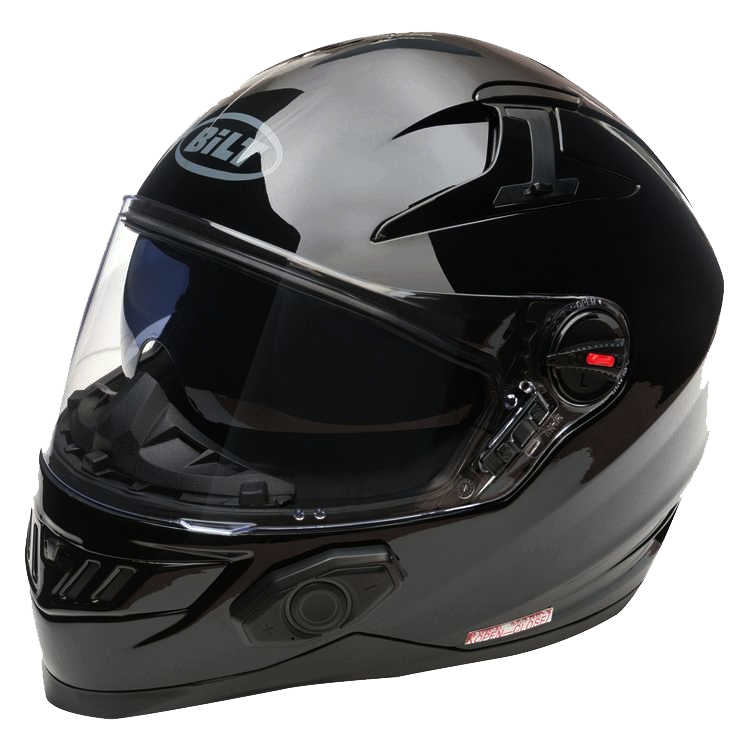
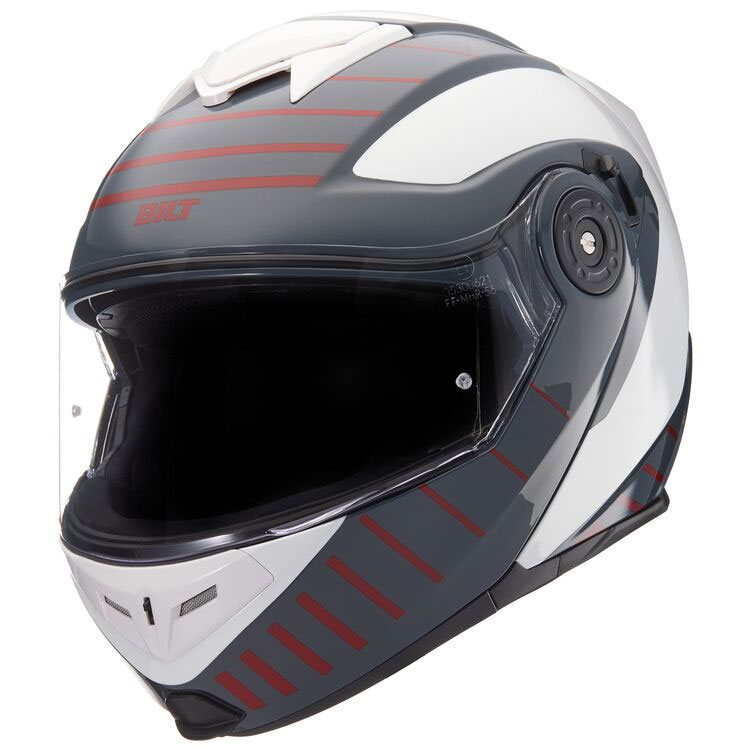
Once you’ve confirmed a helmet fits comfortably, keep in mind that sizing can vary depending on the helmet style and the type of padding inside. Different helmet designs—full-face, open-face, or modular—often have slight size differences due to their shape and shell construction. Additionally, padding thickness can alter the fit, making a helmet feel tighter or looser.

To adjust sizing effectively:

  1. Measure your head again if switching helmet styles, as each style may require a different size.
  2. Consider helmets with removable or adjustable padding to fine-tune the fit.
  3. Try helmets on with any additional gear, like balaclavas, that you’ll wear regularly to ensure the padding accommodates them comfortably.

This approach helps guarantee safety and comfort across various helmet options.

Frequently Asked Questions

How Often Should I Replace My Motorcycle Helmet?

You should replace your motorcycle helmet every 3 to 5 years, even if it looks fine. Helmets degrade over time, and after any crash, you need a new one for proper protection.

Don’t risk it!

Are There Specific Helmet Safety Certifications to Look For?

You’ll want to look for DOT, ECE, or Snell certifications—over 60% of serious crash helmets meet these standards.

These guarantee your helmet’s tested for impact and safety, giving you better protection on the road.

Can a Helmet Affect My Hearing While Riding?

Yes, a helmet can affect your hearing while riding. It may muffle sounds or reduce peripheral noise, which can impact awareness.

Choosing a well-designed helmet helps balance protection with maintaining your ability to hear important sounds.

How Do I Clean and Maintain My Motorcycle Helmet?

You clean your helmet by using mild soap and water on the shell and a soft cloth inside. Don’t use harsh chemicals.

Regularly check straps, vents, and padding for wear, replacing parts when needed to keep it safe and comfy.

Sure, you could ride blindfolded with tinted visors, but not all states or countries think it’s a bright idea. Some ban them outright, so check local laws before you darken your view on the road.

Conclusion

Now that you’ve measured your head like a pro, you’re one step closer to finding that perfect helmet fit—your helmet’s like a trusted shield in the wild ride of life.

Remember, a well-fitted helmet isn’t just about comfort; it’s about safety and confidence on every twist and turn. So, trust your measurements, try on a few styles, and ride with peace of mind knowing you’ve got the right fit protecting your most valuable gear—your head.

Proper motorcycle helmet sizing ensures maximum protection and comfort. Always prioritize accurate measurements when choosing your motorcycle helmet for the best safety and riding experience.

Similar Posts

Leave a Reply

Your email address will not be published. Required fields are marked *