Who Is Required to Wear a Bicycle Helmet
If you’re under 18, you’re usually required to wear a bicycle helmet, with stricter rules for younger kids and differences depending on where you live. Bicycle helmet laws are designed to keep riders safe and reduce head injuries.
Helmets are often mandatory on electric bikes and scooters too, no matter your age.
Adults generally don’t have to wear helmets, but it’s always safer to put one on. Local laws vary a lot, so knowing the rules where you ride helps you stay legal and protected.
Wearing a helmet is a simple way to boost your safety on the road or trail.
You can explore more about helmet laws, safety tips, and gear choices next to stay informed and prepared.
Key Takeaways
- Riders under 18 are usually required by law to wear helmets, with stricter rules often for those under 12 or 17 depending on location.
- Children under 5 must wear helmets at all times while riding in nearly all jurisdictions.
- Helmet requirements vary by state, city, and bike type, with some places mandating helmets for all ages on e-bikes or mopeds.
- Adults 18 and older generally are not legally required to wear helmets, but doing so is strongly recommended for safety.
- Parents or guardians can be held responsible for ensuring minors comply with local helmet laws to avoid penalties.
Legal Requirements for Wearing Bicycle Helmets
Although helmet laws vary by location, you’re generally required to wear a bicycle helmet if you’re under a certain age—often under 18. These laws are designed to protect younger riders who are more vulnerable to head injuries. If you’re an adult, you might not always be legally required to wear a helmet, but it’s still a smart choice for your safety.
In many places, failure to comply with helmet laws can result in fines or other penalties, especially for parents or guardians of minors. You should also know that certain activities, like using electric bikes or riding in specific areas, might have additional helmet requirements. Understanding the legal requirements helps you stay safe and avoid unnecessary trouble.
How Helmet Laws Vary by Age, Location, and Bike Type
Helmet laws aren’t the same for everyone—they often change depending on your age, where you live, and the type of bike you ride. You might find stricter rules for kids or different guidelines in urban versus rural areas.
Understanding these variations helps you stay safe and follow the law wherever you’re cycling.
Age-Based Helmet Requirements
When do you need to wear a bicycle helmet? Age plays a big role in helmet laws, which often depend on where you ride and the bike type. Generally, younger riders have stricter requirements for safety, while adults might face fewer rules.
| Age Group | Helmet Requirement | Common Exceptions |
|---|---|---|
| Under 5 | Must wear helmet at all times | None |
| 6-12 years | Required in most areas | Sometimes waived for short rides |
| 13-17 years | Often required, varies | May be relaxed for road bikes |
| 18-59 years | Usually optional | Required in some jurisdictions |
| 60+ years | Usually optional | Encouraged for safety |
This table shows how age influences helmet rules depending on where and how you bike.
Regional Law Differences
Age is just one factor that shapes helmet laws—you’ll find significant differences depending on where you ride and what kind of bike you’re using. For example, some states require helmets only for minors, while others extend this rule to all ages. Local regulations can also vary widely; a city might enforce stricter helmet laws than the surrounding county.
Additionally, laws may change based on specific locations like bike paths, school zones, or roads with heavier traffic. While age often influences who must wear a helmet, the rules depend heavily on your exact location. It’s important to check both state and local regulations before riding, so you’re fully aware of the requirements where you plan to bike and avoid any unexpected fines or safety risks.
Helmet Rules by Bike Type
Although laws often focus on riders’ ages and locations, the type of bike you’re using can also affect whether you’re required to wear a helmet. Different bike types come with varying helmet rules that you should know to stay compliant and safe. For example, electric bikes and mopeds might have stricter helmet requirements compared to traditional bicycles.
Your local regulations might also distinguish between mountain biking and casual riding when it comes to helmet use. Here’s a quick rundown:
- Standard bicycles: Helmets often mandatory for minors, optional for adults in many areas.
- Electric bikes (e-bikes): Helmet laws can be stricter, sometimes required for all riders.
- Mopeds/scooters: Usually require helmets regardless of age.
- Mountain bikes: Some regions enforce helmet use due to higher risk.
Check your local rules to be sure!
Penalties for Not Wearing a Required Helmet
Since wearing a bicycle helmet is often mandated by law, failing to comply can lead to various penalties. If you don’t wear a required helmet, you might face fines, which vary depending on your location and whether it’s a first or repeat offense. In some areas, law enforcement may issue citations, and ignoring these can result in increased fines or court appearances.
Besides monetary penalties, repeated violations could lead to community service or mandatory safety courses. While penalties mainly target riders, parents or guardians can also be held responsible if minors don’t wear helmets as required. Remember, these rules aim to protect you, so it’s best to avoid penalties—and potential injury—by simply putting your helmet on every time you ride.
Finding Local Bicycle Helmet Laws and Regulations
If you want to stay safe and avoid fines, knowing the specific bicycle helmet laws in your area is essential. These laws can vary widely depending on your state, city, or even neighborhood.
To find the most accurate information, you should:
- Check your local government or transportation department websites
- Review state statutes related to bicycle safety
- Contact local law enforcement for clarification
- Visit cycling organizations or advocacy groups’ websites for summaries and updates
Why Some Riders Wear Helmets Even When Not Required
Even when local laws don’t require helmets, many riders choose to wear them for added protection. You might decide to wear a helmet because it reduces the risk of head injury if you fall or get into an accident. Wearing one also sets a good example, especially if you’re riding with kids or friends.
Plus, helmets can boost your confidence, making you feel safer on busy streets or rough trails.
Here’s a quick look at why some riders wear helmets voluntarily:
| Reason | Benefit | Example |
|---|---|---|
| Safety | Head injury prevention | Falling on pavement |
| Role model | Encourages others | Riding with children |
| Confidence | Feeling secure | Navigating heavy traffic |
Choosing to wear a helmet is a smart personal choice.
Choosing the Right Bicycle Helmet for Your Needs
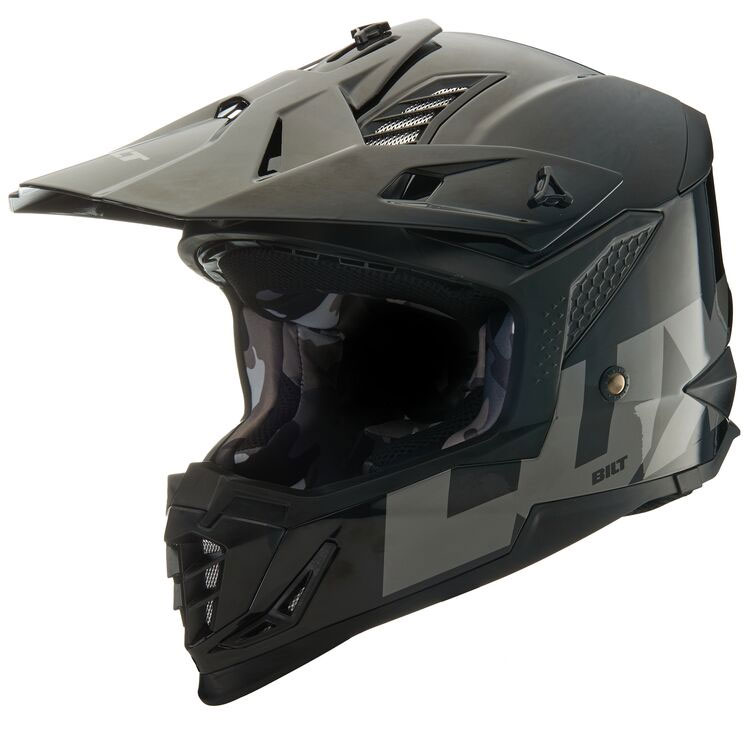
Choosing the right helmet means understanding the different types available and what suits your riding style. You’ll want to focus on fit and comfort to guarantee it stays secure without causing discomfort.
Let’s look at how to find a helmet that works best for you.
Helmet Types Overview
Although helmets come in many styles, finding the right one depends on how and where you ride. Different helmet types offer specific features tailored to your cycling needs. Whether you commute, race, or enjoy leisurely rides, there’s a helmet designed for you.
Here are four common helmet types to take into account:
- Road helmets: Lightweight with ample ventilation, perfect for speed and long rides.
- Mountain bike helmets: Sturdier with extended rear protection and visors for off-road trails.
- Commuter helmets: Designed for urban riding with added visibility and comfort features.
- Kids’ helmets: Sized and styled for safety and fun, encouraging young riders to wear them.
Choosing the right type guarantees you get proper protection suited to your cycling style.
Fit and Comfort Tips
When you pick a helmet, making sure it fits well is just as important as the style. You’ll want it snug but not too tight—too loose, and it won’t protect properly; too tight, and it’ll be uncomfortable. Adjust the straps so they form a “V” just below your ears.
The chin strap should be secure but allow you to open your mouth comfortably. Make sure the helmet sits level on your head, covering your forehead without tilting back. You can test the fit by shaking your head gently; the helmet shouldn’t move noticeably.
Don’t forget to check for proper ventilation to keep you cool during rides. Remember, a comfortable helmet means you’re more likely to wear it every time you ride.
Tips for Staying Safe While Cycling
To stay safe while cycling, you’ll want to pay attention to a few key practices that protect you on the road. Wearing a helmet is vital, but there’s more to staying secure. Always stay visible, follow traffic laws, and maintain control of your bike.
Here are some essential tips for your safety:
- Wear bright clothing and use lights, especially at night or in low visibility.
- Obey all traffic signals and ride in the same direction as traffic.
- Keep both hands ready to brake and avoid distractions like headphones.
- Regularly check your bike’s brakes, tires, and chain to make sure everything’s in good working order.
Frequently Asked Questions
How Do Helmet Safety Standards Affect Helmet Effectiveness?
Helmet safety standards guarantee your helmet meets impact protection and durability criteria, making it more effective in reducing injury risk. Without these standards, helmets might not properly protect you during accidents or falls, compromising your safety.
Can Wearing a Helmet Reduce Insurance Premiums for Cyclists?
Yes, wearing a helmet can sometimes reduce your insurance premiums. Studies show cyclists with helmets have 37% fewer head injuries, which insurers see as lower risk, potentially leading to discounted rates or safer rider benefits for you.
What Materials Are Commonly Used to Make Bicycle Helmets?
You’ll find bicycle helmets commonly made from expanded polystyrene foam for impact absorption, combined with a hard outer shell of polycarbonate or fiberglass for protection and durability.
Straps are typically nylon for secure fitting and comfort.
How Often Should a Bicycle Helmet Be Replaced?
You should replace your bicycle helmet every 3 to 5 years, or immediately after a crash or significant impact.
Over time, materials degrade, reducing protection, so keeping it updated guarantees your safety on every ride.
Are There Any Health Risks Associated With Wearing a Helmet?
You won’t face significant health risks from wearing a helmet. Some might feel discomfort or heat, but helmets are designed for safety.
Just guarantee it fits well and is properly ventilated to stay comfortable during rides.
Conclusion
You might think helmet laws are just annoying rules, but they’re actually there to protect you. Even if your area doesn’t require it, wearing a helmet can save your life in a crash. It’s not about being cautious—it’s about being smart and valuing yourself.
So next time you hop on your bike, remember: that helmet isn’t just gear, it’s a lifesaver. Don’t leave safety to chance—choose to protect yourself every ride. Wearing a bicycle helmet is a simple step that makes a big difference in keeping you safe on the road.