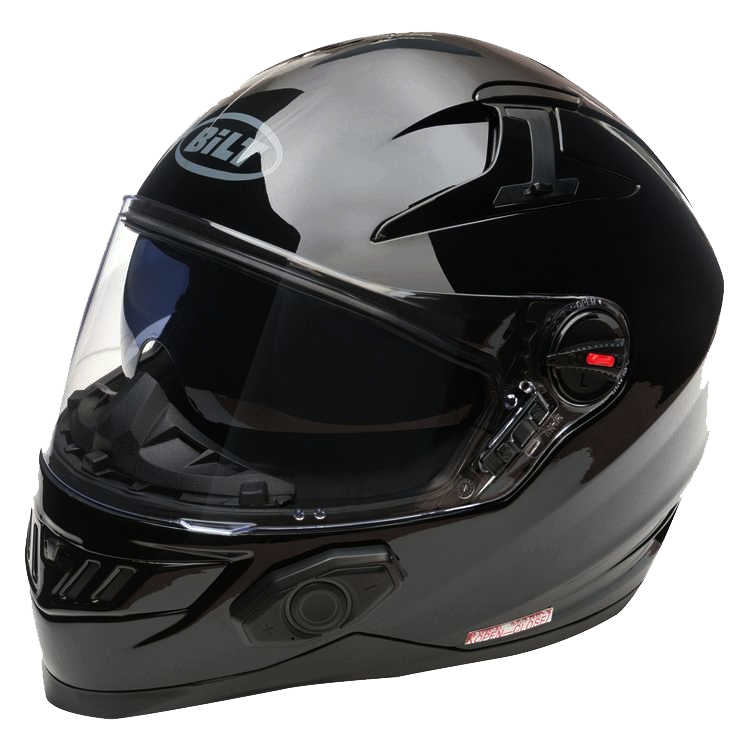
How to Measure Motorcycle Helmet Size
To measure your motorcycle helmet size accurately, start by grabbing a flexible tape measure. Wrap it around the widest part of your head, which is about an inch above your eyebrows and ears.
Ensure the tape is level and snug but not too tight for the best measurement.
Note the measurement in centimeters or inches, then compare it with the brand’s sizing chart to find your size.
Remember, your head shape also plays a crucial role in achieving a comfortable fit.
If you want tips on trying helmets on and maintaining the perfect fit, there’s more to explore.
Proper measurement and fit are essential for both comfort and safety when riding.
Key Takeaways
- Use a flexible measuring tape to measure the head circumference just above the eyebrows and ears for accurate sizing.
- Wrap the tape evenly around the widest part of your head without twisting or pulling it too tight.
- Record the measurement in centimeters or inches, ensuring the tape sits about an inch above the eyebrows and ears.
- Compare your head measurement to the helmet manufacturer’s sizing chart to select the correct helmet size.
- If your measurement falls between sizes, choose the smaller size for a snug fit, confirming with brand-specific recommendations.
Tools You Need to Measure Your Head
Before you measure your head for a motorcycle helmet, you’ll need a few simple tools to guarantee accuracy. First, grab a flexible measuring tape—one designed for sewing or tailoring works best because it easily wraps around your head’s curves. If you don’t have that, a piece of string or ribbon can substitute; just mark where it overlaps, then measure the string against a ruler.
You’ll also want a mirror to help position the tape correctly, especially if you’re doing this alone. Finally, have a notepad or your phone ready to jot down the measurement immediately. Using these tools assures your measurement is precise, which is vital for finding a helmet that fits comfortably and safely.
Where to Measure Your Head for the Right Helmet Fit
Once you have your measuring tools ready, the next step is knowing exactly where to measure your head for the best helmet fit. You’ll want to wrap the tape measure around the largest part of your head, typically just above your eyebrows and ears. This spot captures the widest circumference, ensuring the helmet will fit snugly without being too tight.
Avoid measuring too high on your forehead or too far back on your head, as that can give inaccurate results. Also, make sure the tape measure sits evenly all around your head and isn’t twisted. Taking your measurement at this key point will help you find a helmet that fits comfortably and securely, giving you proper protection every time you ride.
Step-by-Step Guide to Measuring Your Head for Helmet Size
Although measuring your head might seem straightforward, following a precise step-by-step process guarantees you get the most accurate size for your motorcycle helmet.
First, grab a soft measuring tape. Next, position it about an inch above your eyebrows and ears, wrapping it around the widest part of your head. Make sure the tape is snug but not too tight.
Check your measurement in centimeters or inches, and note it down.
| Step | Action | Tip |
|---|---|---|
| 1 | Get a soft measuring tape | Avoid metal tapes |
| 2 | Wrap around widest part | Keep tape level and snug |
| 3 | Record measurement | Use cm for accuracy |
This method guarantees you capture your true head size for a comfortable helmet fit.
How to Convert Your Head Measurement Into Helmet Size
Since helmet sizes vary by brand and style, converting your head measurement into the right helmet size can be tricky. Start by checking the sizing chart provided by the helmet manufacturer—this is essential because sizes like small, medium, or large can differ between brands.
Once you have your head circumference in centimeters or inches, find the closest match on the chart. If your measurement falls between two sizes, it’s usually best to choose the smaller size for a snug fit, but confirm with the brand’s recommendation.
How to Consider Helmet Shape Along With Size
Once you know your helmet size, it’s important to identify your head shape to find the best fit. Helmets come in different shapes like round, intermediate oval, and long oval, so matching your head shape with the right helmet shape can improve comfort and safety.
You’ll want to try on helmets designed for your shape to guarantee a snug, secure fit.
Identifying Your Head Shape
When choosing a motorcycle helmet, you’ll want to take into account more than just the size—your head shape plays a essential role in how comfortable and secure the helmet feels. Identifying your head shape helps you narrow down helmet options that truly fit well.
To determine your head shape, look in the mirror and observe the following:
- Forehead width compared to the back of your head
- Whether your head is more round, oval, or elongated
- How your cheeks and temples taper
- The overall contour from front to back and side to side
Understanding these characteristics guarantees you pick a helmet that matches your unique head geometry, preventing pressure points and discomfort during rides. This step is indispensable before moving on to helmet shape types.
Matching Helmet Shape Types
Although getting the right size is essential, matching your helmet’s shape to your head’s contours is just as important for comfort and safety. Helmets generally come in three main shape types: round oval, intermediate oval, and long oval. If your head is wider side-to-side, a round oval helmet fits best.
For heads that are more evenly proportioned, an intermediate oval shape works well. If your head is longer front-to-back, you’ll want a long oval helmet. Trying on different shapes helps you find the best fit, reducing pressure points and improving stability on the road.
How to Try On Helmets to Confirm Your Helmet Size
When you try on a helmet, make sure it fits snugly without feeling too tight. Pay attention to your comfort level, as you’ll be wearing it for long rides.
Also, check that the helmet seals properly around your head to keep you safe.
Check Helmet Fit
Before you commit to a helmet, you’ll want to try it on to make sure it fits just right. Start by placing the helmet squarely on your head, pulling it down evenly without forcing it. It should feel snug but not painfully tight.
To check the fit, focus on these key points:
- The helmet sits level on your head, not tilted back or forward.
- It grips firmly around your cheeks and jaw without causing discomfort.
- You can fasten the chin strap securely without pinching skin.
- When you shake your head gently side to side, the helmet moves with it, not independently.
This guarantees your helmet provides proper protection without slipping during a ride. Only then can you be confident in your size choice.
Assess Comfort Level
Since comfort is key to wearing your helmet safely and for long periods, you’ll want to pay close attention to how it feels once it’s on. Start by putting the helmet on and fastening the chin strap securely. It should feel snug but not painfully tight.
Check for pressure points around your forehead, cheeks, and crown—any discomfort means it’s not the right fit. Move your head side to side and up and down; the helmet shouldn’t shift or slide easily. Wear it for about 10-15 minutes to see if any areas start to ache or feel overly warm.
Ensure Proper Seal
A proper seal between your helmet and head is essential to keep out wind, rain, and debris while riding. When you try on helmets, make sure the seal feels snug but not too tight. To confirm a proper seal, check that:
- The helmet sits evenly on your head without gaps.
- The cheek pads press firmly against your face.
- You don’t feel any air leaks when moving your head.
- The chin strap fastens securely without discomfort.
If you notice any gaps or pressure points, the helmet might be the wrong size or shape for you. Remember, a well-sealed helmet improves safety and comfort by preventing distractions and protecting you from the elements. Always take a few minutes to adjust and test the fit before making your final choice.
Got a Between-Size Measurement? Here’s What to Do
If you find your measurement falls between two helmet sizes, don’t worry—you’re not alone. Many riders face this dilemma. The best approach is to try on both sizes if possible.
Your comfort and safety depend on a snug fit without pressure points.
Here’s a quick guide to help you decide:
| Situation | What to Do |
|---|---|
| Slightly smaller size fits | Go for the smaller size |
| Smaller feels too tight | Try the larger size |
| Larger is loose | Use thicker cheek pads |
| Still unsure | Consult the helmet manufacturer’s fit guide |
| Different brands vary sizing | Always test before buying |
How to Maintain Your Helmet Fit Over Time
Although you’ve found the right helmet size, it’s important to regularly check and maintain its fit. Over time, the padding can compress, and your head shape might change slightly, affecting comfort and safety. To keep your helmet fitting properly:
- Inspect the interior padding for wear or compression every few months.
- Clean the helmet lining as recommended to prevent material breakdown.
- Replace worn or flattened liners to maintain snugness.
- Avoid storing your helmet in extreme heat or direct sunlight, which can degrade materials.
Frequently Asked Questions
How Often Should I Replace My Motorcycle Helmet?
You should replace your motorcycle helmet every 3 to 5 years, or sooner if it’s been involved in a crash, shows visible damage, or the padding has worn out.
Don’t risk your safety with an old helmet!
Are Motorcycle Helmets DOT or ECE Certified?
You might think all helmets are DOT or ECE certified, but not always. DOT is US-based, ECE is European. You’ll want to check the label inside your helmet to verify it meets the right safety standards for where you ride.
Can I Use a Motorcycle Helmet for Other Sports?
You shouldn’t use a motorcycle helmet for other sports because they’re designed specifically for motorcycle impacts. Different sports require helmets with unique safety standards and features, so using one helmet for all activities can be unsafe and ineffective.
Each sport involves different types of risks and impact forces, which helmets are engineered to protect against. For example, bicycle helmets are lighter and designed for different impact scenarios than motorcycle helmets. Using the wrong helmet can compromise your safety.
What Materials Are Motorcycle Helmets Made From?
Over 60% of motorcycle helmets use fiberglass or polycarbonate shells.
You’ll find them made from these tough materials, plus Kevlar and carbon fiber,
all designed to absorb impact and keep you safe when riding.
How Do I Clean the Interior Padding of My Helmet?
You should remove the interior padding if it’s detachable, then hand wash it gently with mild soap and warm water.
Let it air dry completely before reassembling to keep your helmet clean and fresh without damage.
Conclusion
Choosing the right helmet size is like finding the perfect key for a treasure chest—it opens safety and comfort on every ride. Just as a key must fit snugly to protect what’s inside, your helmet must hug your head just right.
Take your time measuring, trying on, and adjusting to find that perfect fit. After all, the right helmet isn’t just gear—it’s your trusted companion on the road, guarding you every mile.
Remember, measuring your motorcycle helmet size accurately ensures maximum protection and comfort. A properly fitting helmet enhances your riding experience and keeps you safe. So, always prioritize the correct helmet size when choosing your motorcycle gear.