How to Size a Motorcycle Helmet

To size a motorcycle helmet correctly, start by measuring your head’s widest part just above your eyebrows and ears using a flexible tape measure. This measurement is crucial for finding a helmet that offers both comfort and safety.

Using a helmet brand’s size chart, match your measurement to the appropriate helmet size.

Next, consider the helmet shape that best fits your head—whether it’s round, intermediate oval, or long oval. This helps ensure the helmet sits properly and provides optimal protection.

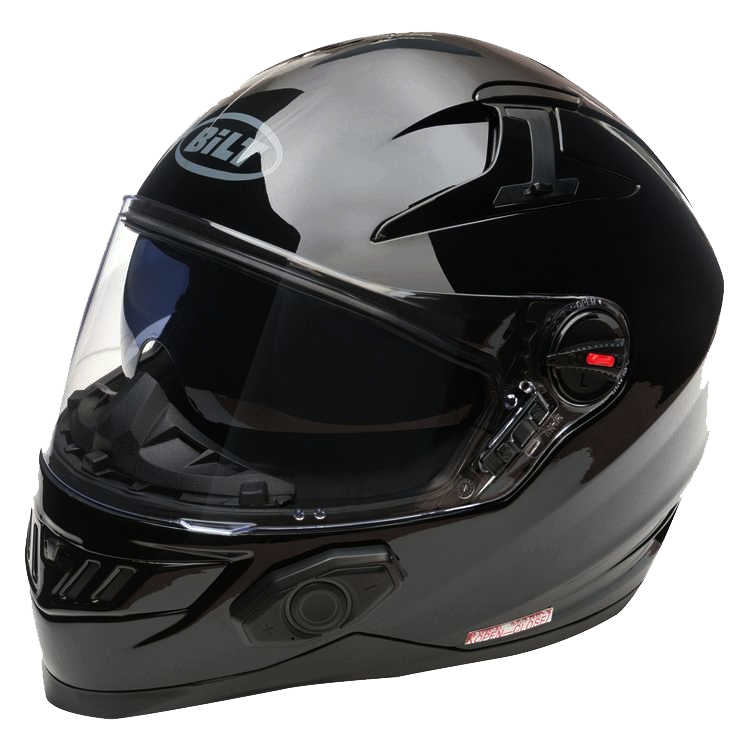
When you try the helmet on, make sure it fits snugly without causing any pressure points. Check that the chin strap is secure but still comfortable.

Keep reading to learn how to fine-tune the fit and maintain helmet safety.

Key Takeaways

  • Measure your head circumference with a flexible tape around the widest part, above eyebrows and ears, for accurate sizing.
  • Compare your measurement to the helmet brand’s size chart to choose the correct size (small, medium, large, etc.).
  • Identify your head shape (round oval, intermediate oval, or long oval) to select a helmet shape that fits comfortably.
  • Try on the helmet, fastening the chin strap snugly, and check for minimal movement and pressure points after wearing it for 10 minutes.
  • Ensure the helmet has proper safety certifications (DOT, ECE, Snell) and replace it every five years or after any crash.

How to Measure Your Head for a Motorcycle Helmet

Wondering how to get the perfect fit for your motorcycle helmet? Start by measuring your head accurately. Grab a flexible tape measure and wrap it around the widest part of your head—usually just above your eyebrows and ears.

Keep the tape snug but not tight to avoid an inaccurate size. Make sure it runs level all the way around. Note the measurement in centimeters or inches, depending on the sizing system you’ll use later.

It’s best to measure your head a couple of times to confirm consistency. Also, avoid measuring over thick hair or hats, as that can throw off the size. With this simple step done right, you’ll be well on your way to finding a helmet that fits securely and comfortably.

Understanding Motorcycle Helmet Size Charts and Standards

Once you’ve measured your head, the next step is to understand how to use helmet size charts and standards to find your perfect fit. Different brands use varying sizing systems, so comparing your measurement to their specific charts is vital.

Also, helmets must meet safety standards like DOT, ECE, or Snell, which guarantee quality and protection.

Here’s a quick reference for common helmet sizes based on head circumference:

Size Head Circumference (cm)
Small 55 – 56
Medium 57 – 58
Large 59 – 60

Always check the manufacturer’s chart and safety certifications to confirm you get a helmet that fits well and keeps you safe on the road.

Choosing the Right Motorcycle Helmet Shape for Your Head Type

Although finding the right size is essential, choosing a helmet shape that matches your head type is just as important for comfort and safety. Helmets generally come in three shapes: round oval, intermediate oval, and long oval. If your head is more circular, a round oval helmet will fit best, providing even pressure around your head.

For a slightly elongated head, an intermediate oval shape is the most common and usually fits well. If your head is noticeably longer front-to-back, a long oval helmet will offer better comfort and reduce pressure points. Knowing your head shape helps you avoid discomfort and potential distractions while riding, ensuring the helmet stays secure and protective throughout your journey.

Choose wisely for maximum performance and safety.

How to Try On a Motorcycle Helmet to Check the Fit

Before you commit to a helmet, it’s crucial to try it on properly to guarantee a secure and comfortable fit. Begin by placing the helmet over your head, ensuring it sits evenly without tilting forward or backward.

Fasten the chin strap snugly but comfortably. Move your head side to side and up and down to check for any excessive movement. The helmet should feel snug but not painfully tight.

Here’s a quick guide to assess the fit:

Fit Check What to Expect
Initial Feel Snug, no pressure points
Strap Tightness Secure, no slipping when moved
Movement Test Minimal helmet movement
Comfort Duration Comfortable after 10 minutes wearing

If it passes all, you’ve found a proper fit.

Helmet Padding and Comfort: What Matters Most

When sizing your helmet, pay close attention to the padding thickness since it affects both fit and comfort. You’ll also want to take into account the material used, as some fabrics wick away sweat better and feel softer against your skin.

Choosing the right combination ensures your helmet stays comfortable on every ride.

Padding Thickness Impact

How much does padding thickness really affect your helmet’s comfort? Quite a bit, actually. The thickness directly influences fit and pressure distribution, which can make long rides much more enjoyable or painfully uncomfortable.

Here’s what you should consider:

  1. Fit Adjustment: Thicker padding can fill extra space, giving a snugger fit without needing a smaller helmet size.
  2. Pressure Points: Proper thickness helps evenly distribute pressure, preventing sore spots on your head.
  3. Impact Absorption: While not a substitute for the helmet’s shell, padding thickness adds an extra layer of shock absorption.
  4. Ventilation Impact: Thicker padding might reduce airflow inside the helmet, so balance comfort with breathability.

Keep these points in mind to pick a helmet that feels just right from the start.

Comfort Material Types

Although padding thickness plays a big role in comfort, the type of material used can make an even bigger difference in how your helmet feels during rides. You’ll want padding made from moisture-wicking fabrics like microfiber or synthetic blends that keep sweat away, preventing discomfort and odor buildup. Memory foam is another excellent choice since it molds to your head’s shape, offering a custom fit that reduces pressure points.

Some helmets use antimicrobial liners, which help keep things fresh over time. Breathability matters too—materials with good airflow prevent heat from building up inside. When you try on helmets, pay attention to how the comfort lining feels against your skin and how well it manages moisture, because the right materials can make long rides much more enjoyable.

Adjusting Motorcycle Helmet Straps and Retention Systems Correctly

Since a properly fitted helmet can only protect you fully if its straps and retention system are correctly adjusted, it’s essential to get this step right every time. Here’s how to make sure your helmet stays secure without causing discomfort:

  1. Position the chin strap so it sits snugly under your chin—tight enough to hold the helmet firmly but loose enough to let you open your mouth comfortably.
  2. Fasten the retention system according to the manufacturer’s instructions, ensuring clips or ratchets lock securely.
  3. Check that the straps form a “V” shape just below your ears to avoid pinching or slipping.
  4. Give the helmet a gentle shake; it shouldn’t move excessively but also shouldn’t feel overly tight.

Proper adjustment keeps your helmet stable and effective while riding.

Common Motorcycle Helmet Sizing Mistakes to Avoid

When sizing your motorcycle helmet, it’s easy to make mistakes like measuring incorrectly or ignoring your head’s shape. You might also overlook important fit adjustments that guarantee comfort and safety.

Let’s look at the most common errors you’ll want to avoid.

Incorrect Measurement Techniques

If you don’t measure your head properly, you risk choosing a helmet that won’t fit comfortably or protect you effectively. Many riders make simple errors that compromise the accuracy of their measurements. Avoid these common mistakes:

  1. Using a flexible tape measure incorrectly – Don’t pull it too tight or leave it too loose; it should sit snugly around your head’s widest part.
  2. Measuring over hair accessories or thick hairstyles – This can add extra inches and distort the true size.
  3. Not measuring multiple times – A single measurement might be off; always measure at least twice and average the results.
  4. Ignoring the forehead-to-back measurement – Focus on the circumference, not just the front or sides, for a precise fit.

Ignoring Helmet Shape

Getting accurate measurements is just one part of finding the right helmet size. You also need to account for helmet shape because not every helmet fits every head the same way. Helmets come in different interior shapes: round, intermediate oval, and long oval.

Choosing the wrong shape can cause pressure points or a loose fit, compromising safety and comfort.

Here’s a quick guide to helmet shapes:

Head Shape Description Best Helmet Shape
Round Equal width and length Round
Oval Longer front to back Intermediate Oval
Long Oval Noticeably longer front to back Long Oval

Make sure to identify your head shape before picking a helmet to avoid discomfort and ensure proper protection.

Overlooking Fit Adjustments

Although selecting the right helmet size is essential, many riders don’t realize how crucial fit adjustments are for comfort and safety. You might think buying the correct size is enough, but small tweaks can make a huge difference in how the helmet feels and performs. Ignoring these adjustments can lead to pressure points, slipping, or even reduced protection during impact.

To avoid overlooking fit adjustments, focus on:

  1. Adjusting the chin strap snugly without causing discomfort.
  2. Checking and customizing interior padding for a secure fit.
  3. Ensuring the helmet sits level on your head, not tilted.
  4. Using removable liners to fine-tune the fit as needed.

Paying attention to these details helps maximize both comfort and safety on every ride.

How Helmet Age Affects Fit and Safety

Because helmets endure wear and environmental exposure over time, their materials can degrade, affecting both fit and safety. The foam lining may compress, making the helmet feel looser and less protective during impact. Straps can weaken or become less secure, compromising stability.

Even if your helmet looks fine, aging can reduce its ability to absorb shock effectively. You should check the manufacturer’s recommendation for helmet lifespan, usually around five years, and replace it sooner if it’s been in a crash or shows visible damage. Regularly inspect your helmet for cracks, worn padding, or frayed straps.

Ensuring your helmet is not only the right size but also in good condition is vital for your safety every time you ride.

Frequently Asked Questions

Can Helmet Size Affect Noise Levels While Riding?

Yes, helmet size can affect noise levels while riding. If your helmet doesn’t fit snugly, wind noise can increase.

A properly sized helmet seals better, reducing noise and making your ride quieter and more comfortable overall.

How Do Different Helmet Materials Impact Weight and Comfort?

Think of helmet materials like choosing your favorite meal—carbon fiber feels like a light salad, keeping weight and heat low, while fiberglass offers a heartier dish, balancing comfort and sturdiness.

You’ll notice the difference instantly.

Are There Specific Helmet Sizes for Children Versus Adults?

Yes, helmets come in specific sizes for children and adults. You’ll find kids’ helmets are smaller and designed for their head shapes.

Always measure your child’s head to guarantee a snug, safe fit without gaps.

How Often Should You Replace a Motorcycle Helmet Regardless of Size?

Think of your helmet like a trusty shield that wears down over time.

You should replace it every 5 years or after any crash,

because its protection fades even if it looks fine to you.

Do Full-Face Helmets Fit Differently Than Open-Face Helmets?

Yes, full-face helmets usually fit snugger around your entire head and chin, while open-face helmets feel more open and less restrictive.

You’ll notice the difference in coverage and padding, affecting overall comfort and security.

Conclusion

Getting the perfect motorcycle helmet fit isn’t just important—it’s like strapping a mini fortress to your head! Imagine riding with a helmet so snug and comfy, it feels like a cloud hugging your skull, yet secure enough to withstand a meteor strike.

By measuring right, choosing the shape that matches your head, and adjusting straps perfectly, you’re not just protecting yourself—you’re gearing up like a superhero ready to conquer the road safely and stylishly!

Remember, proper helmet sizing is key to safety and comfort. Taking the time to measure your head accurately and selecting the right helmet shape ensures the best fit. With the right fit, your motorcycle helmet will provide maximum protection and enhance your riding experience.

Similar Posts

Leave a Reply

Your email address will not be published. Required fields are marked *